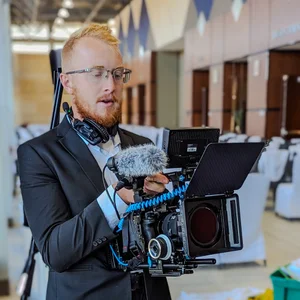
Should You Book Wedding Photography and Videography Together?
Wedding planning advice from Trevor · Fox Brush Films
If you are thinking about both wedding photography and videography, the first thing I want to know is what you want to come back to.
A photograph of your people on the wall? Your partner’s voice before you see each other? The way everybody laughed at a toast? Those are different reasons to want coverage, and they deserve more thought than simply checking two vendors off a list.
Booking photo and video together can make planning easier, but only if you love both kinds of work, the crew actually coordinates and the coverage fits your budget. Separate companies can work beautifully together, too. The important part is what happens between the teams, not just whose name is on the invoice.
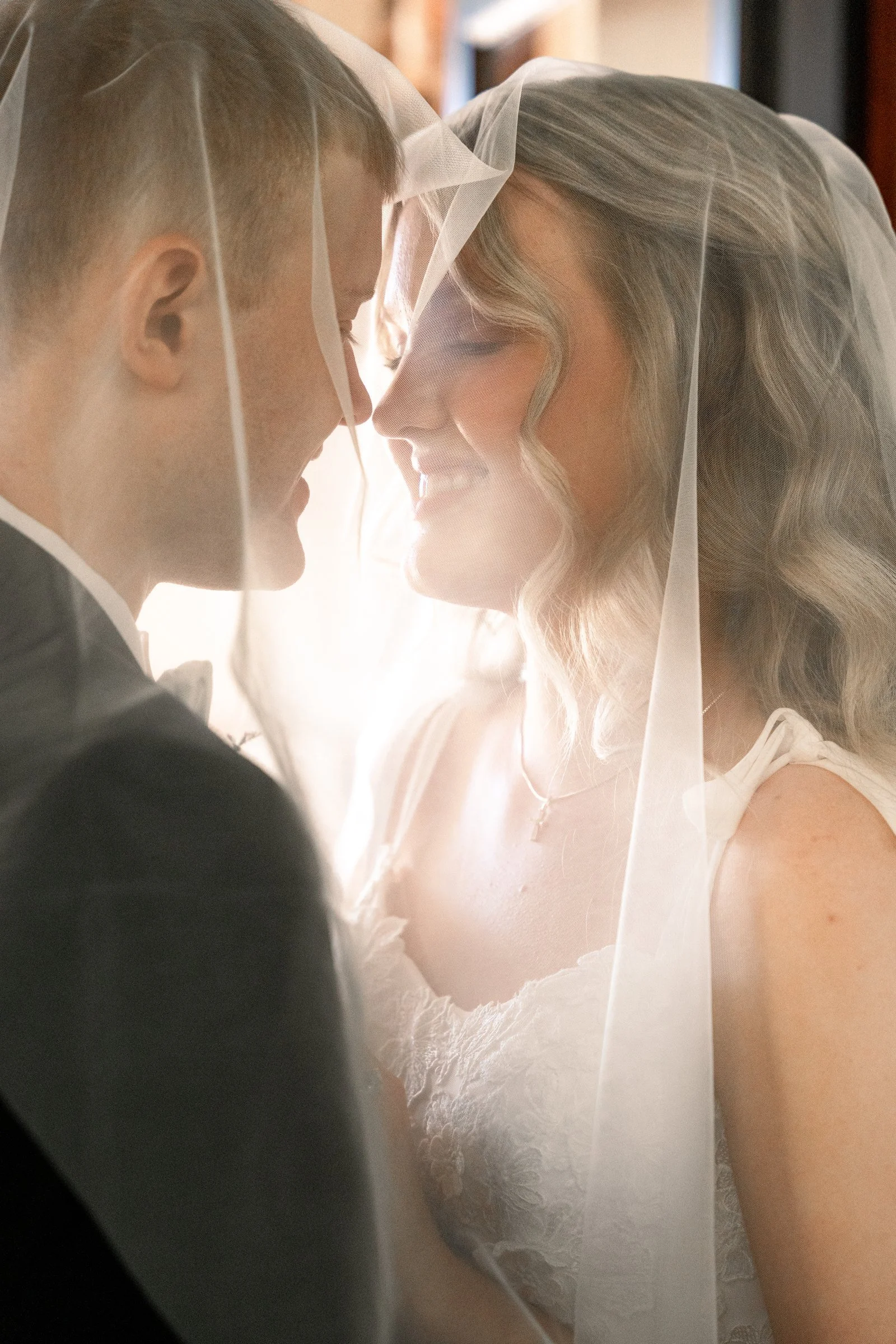
A little time together, without the whole day turning into a photo shoot. Emily and Brady, photographed by Fox Brush Films.
What do you actually gain by booking photo and video together?
There is a practical benefit right away: two big planning decisions can be handled in the same conversation. But that is not the part I care about most.
I care about whether the photographer knows when we need a quiet minute for an interview. Whether the filmmaker knows where the photographer needs to stand for the first look. Whether somebody has checked the ceremony audio before guests start finding their seats.
When those things are worked out beforehand, you get to spend less of your wedding explaining the plan to people with cameras.
- A shared timeline. Photo and film can have different arrival times, but everybody understands the same day.
- Clear jobs for each person. Someone can prepare for the ceremony while another person stays with you.
- Less repeated direction. We can make room for a portrait and a moving shot without restarting the moment over and over.
- Help when the plan changes. A crew that knows each other can communicate quickly without making you the messenger.
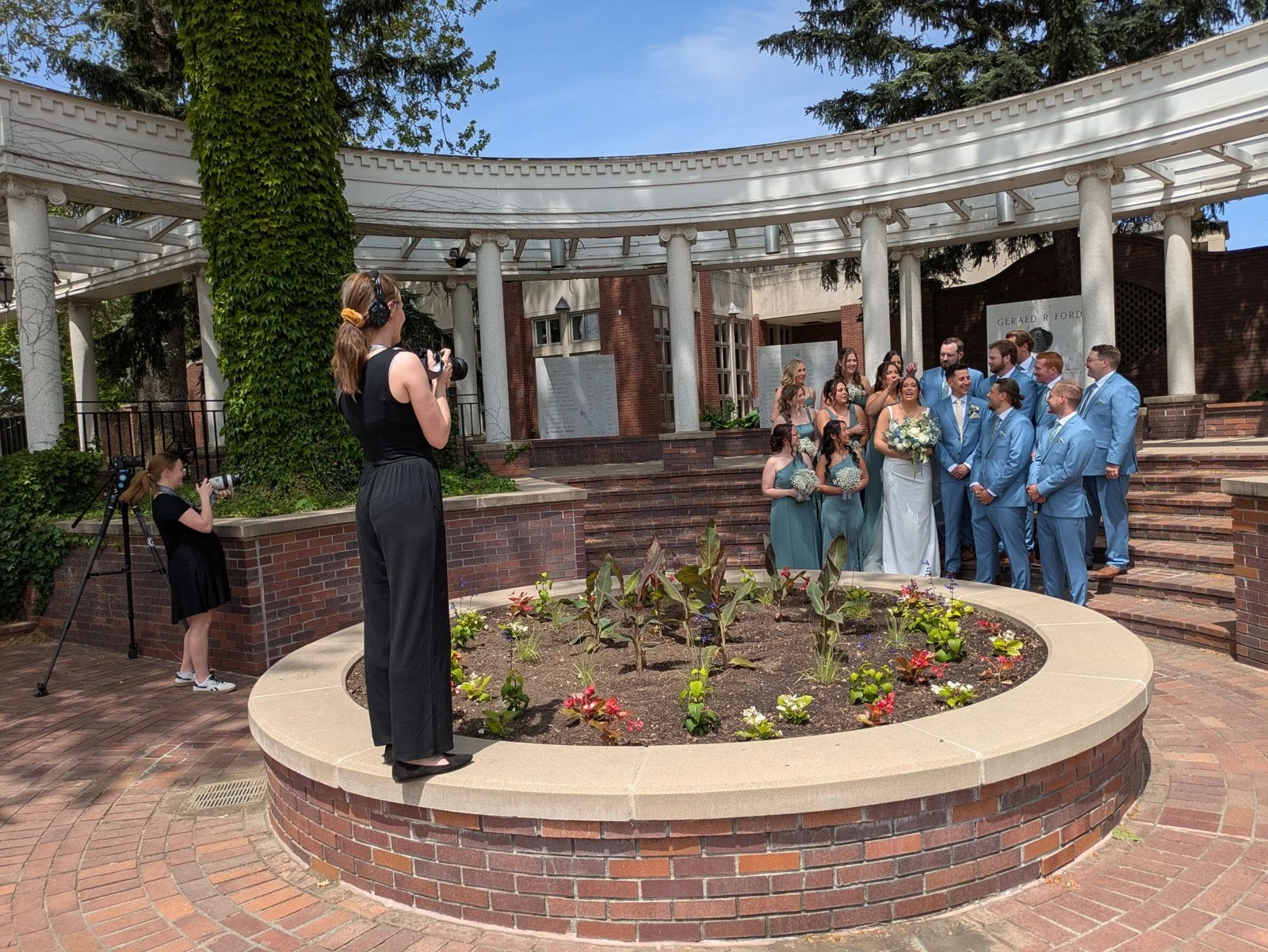
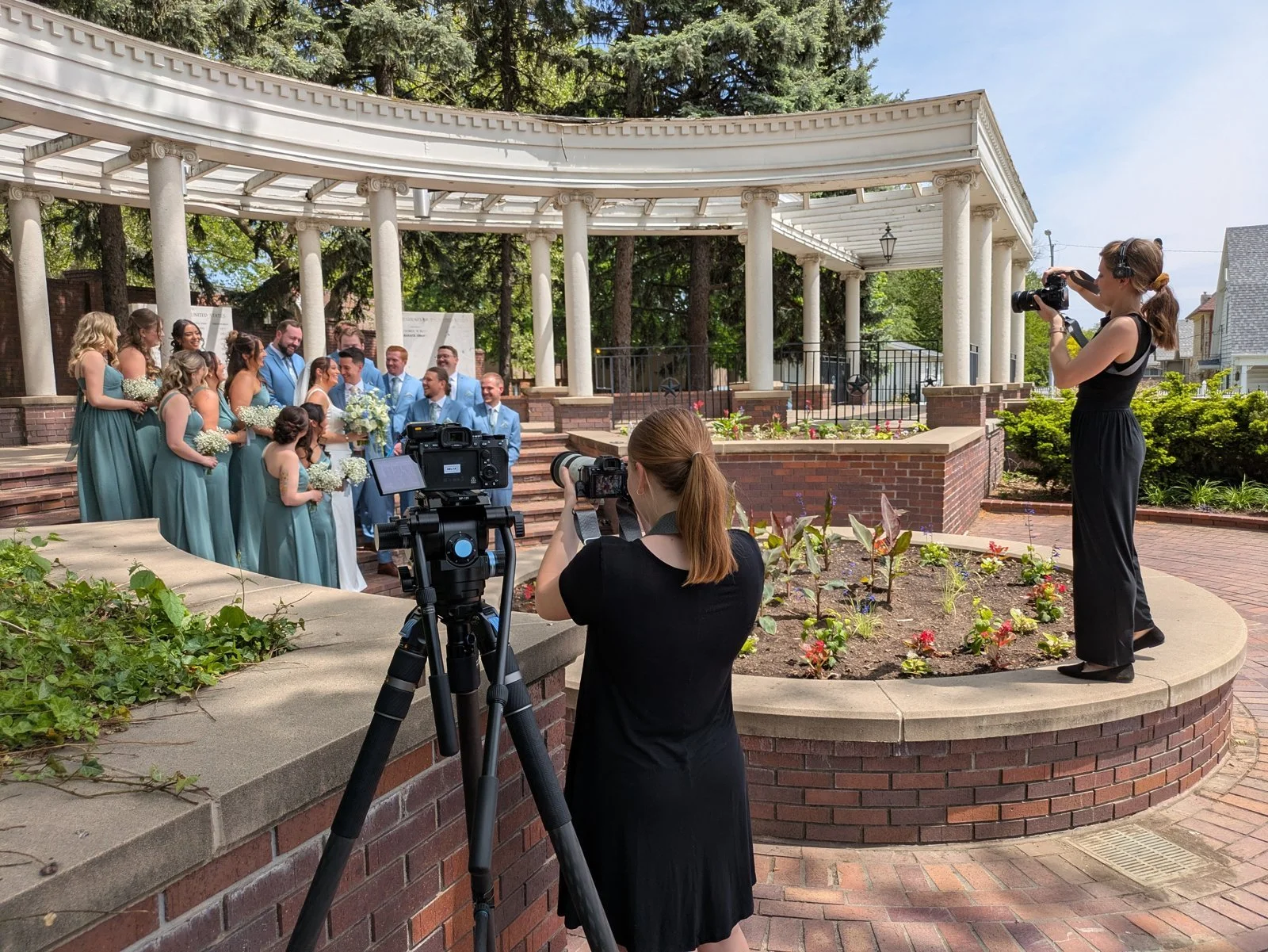
Behind the scenes with Grace and Alex in Omaha. Photo and video share the space and the plan.
The tradeoffs are worth talking about, too
One company does not automatically mean you will love both styles. Look at a complete photography gallery and finished wedding films, not just a few favorite images and a short trailer. Ask what each collection actually includes.
Also, a bundle is not useful if it adds things you do not want. If you already found a photographer you love, keep that relationship. A good film team should be comfortable working alongside them.
What coordination looked like at Grace and Alex’s Omaha wedding
At Grace and Alex’s wedding, we reached a part of the day where one photographer was handling family photographs. Getting the next group ready while taking care of the people in front of the camera is a lot for one person to do.
Because our photo and video team were communicating through headsets, the photographer could ask for help. Available video team members helped gather the next people so the photographer could keep photographing. We knew each other, and we knew what else was happening in the schedule.
That does not mean a videographer replaces a second photographer. It means a coordinated team can notice where help is needed and step in when their own coverage responsibilities allow it.
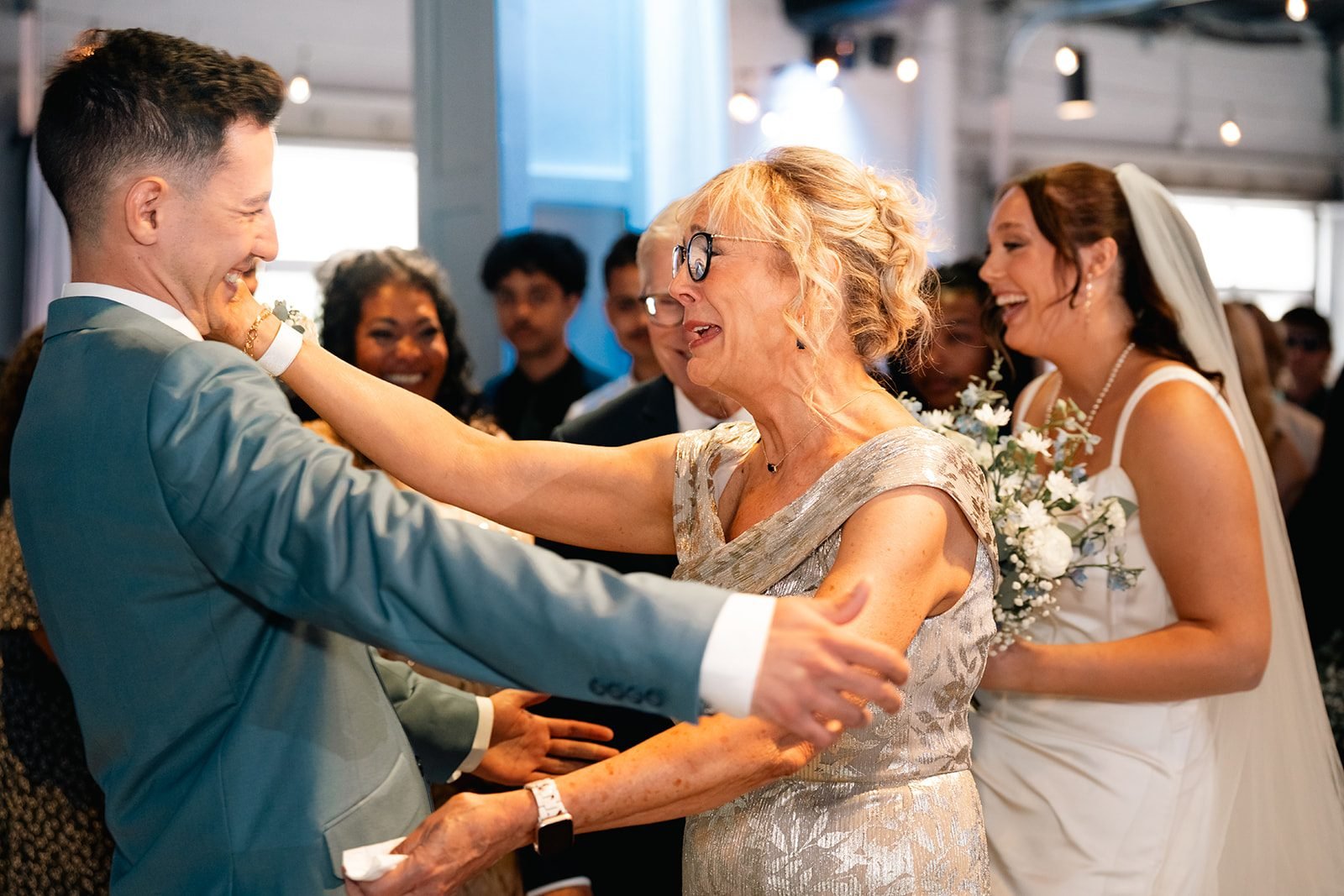
The people are the reason for the plan. A moment from Grace and Alex’s wedding at The Diamond Room.
You can see both sides of that day in Grace and Alex’s Diamond Room wedding story, with their cinematic teaser and full photo gallery.
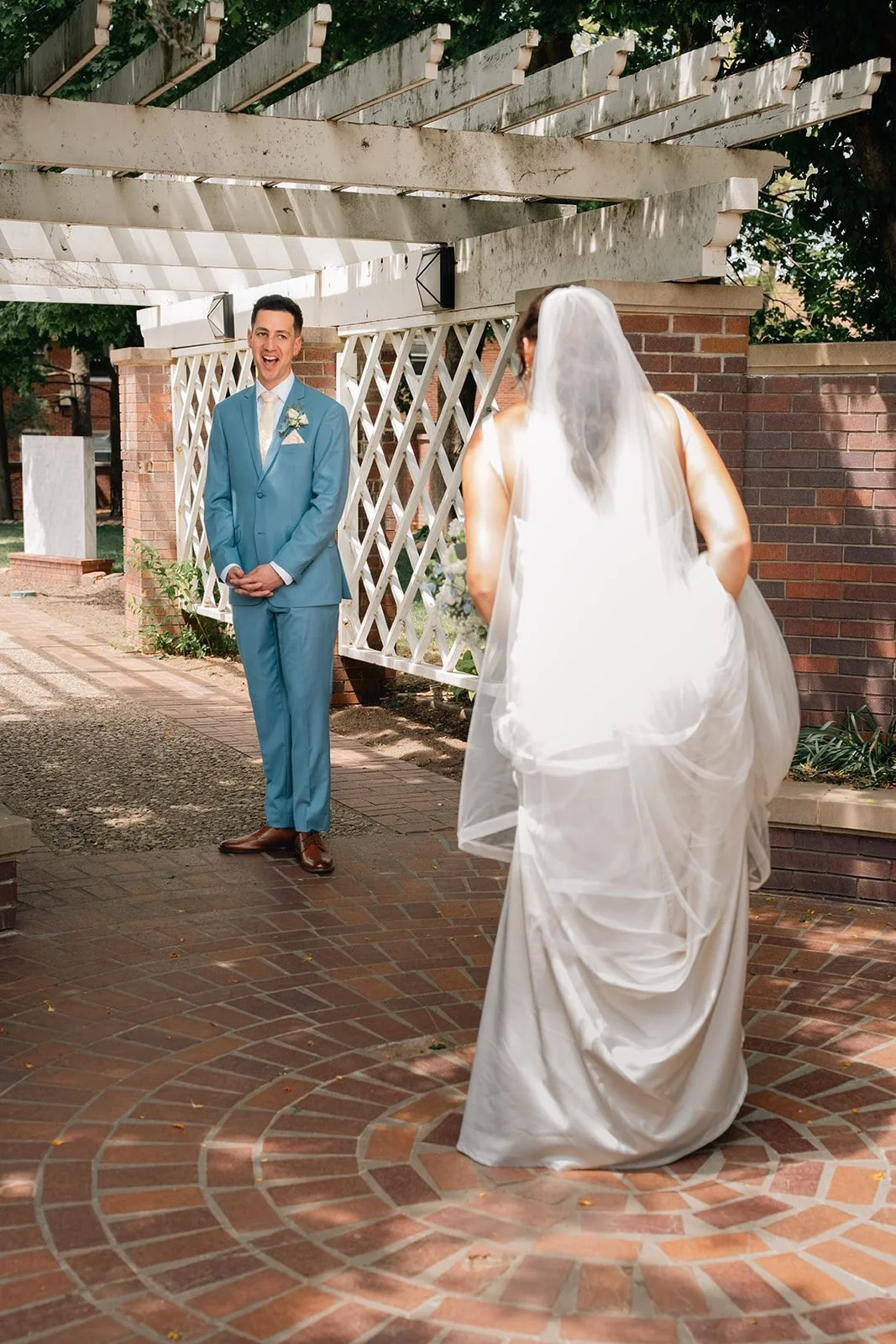
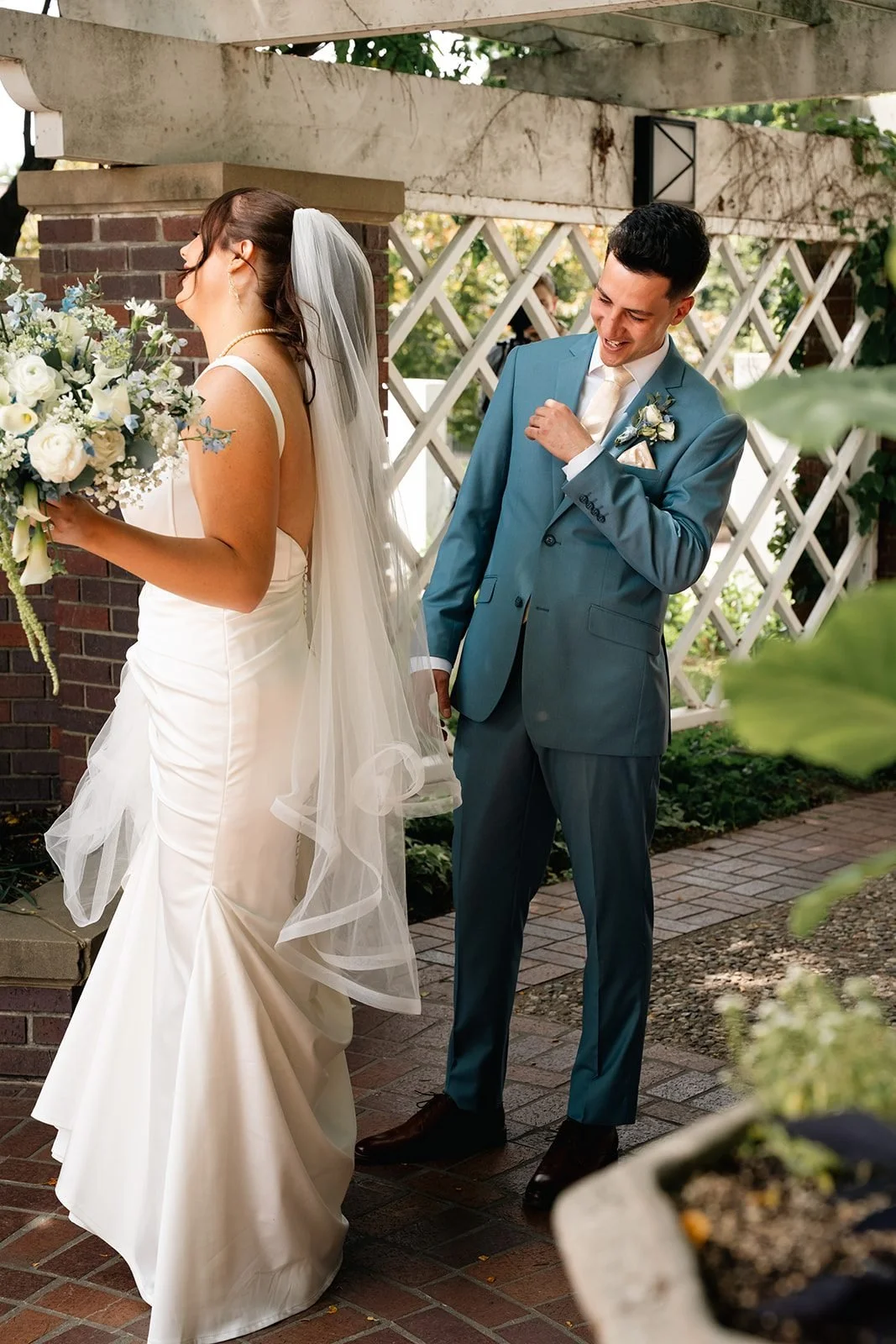
Give a first look room to happen. Grace and Alex at the Gerald R. Ford Birthsite and Gardens in Omaha.
Photography and film sometimes need different things
For family photographs and portraits, a photographer may need to give clear direction, organize groups or use flash. For video, we may need a little quiet so a microphone can hear the words, or a few extra seconds so an interaction can play out.
Neither is more important. They are different jobs. The goal is to make enough room for both without having you perform your wedding twice.
An interview is a good example. We need to think about the setting, light, microphones and how to help you feel comfortable. We cannot just arrive, point a camera at you and expect the conversation to feel natural. Ceremony audio and reception speeches need preparation, too, including coordination with the venue and DJ.
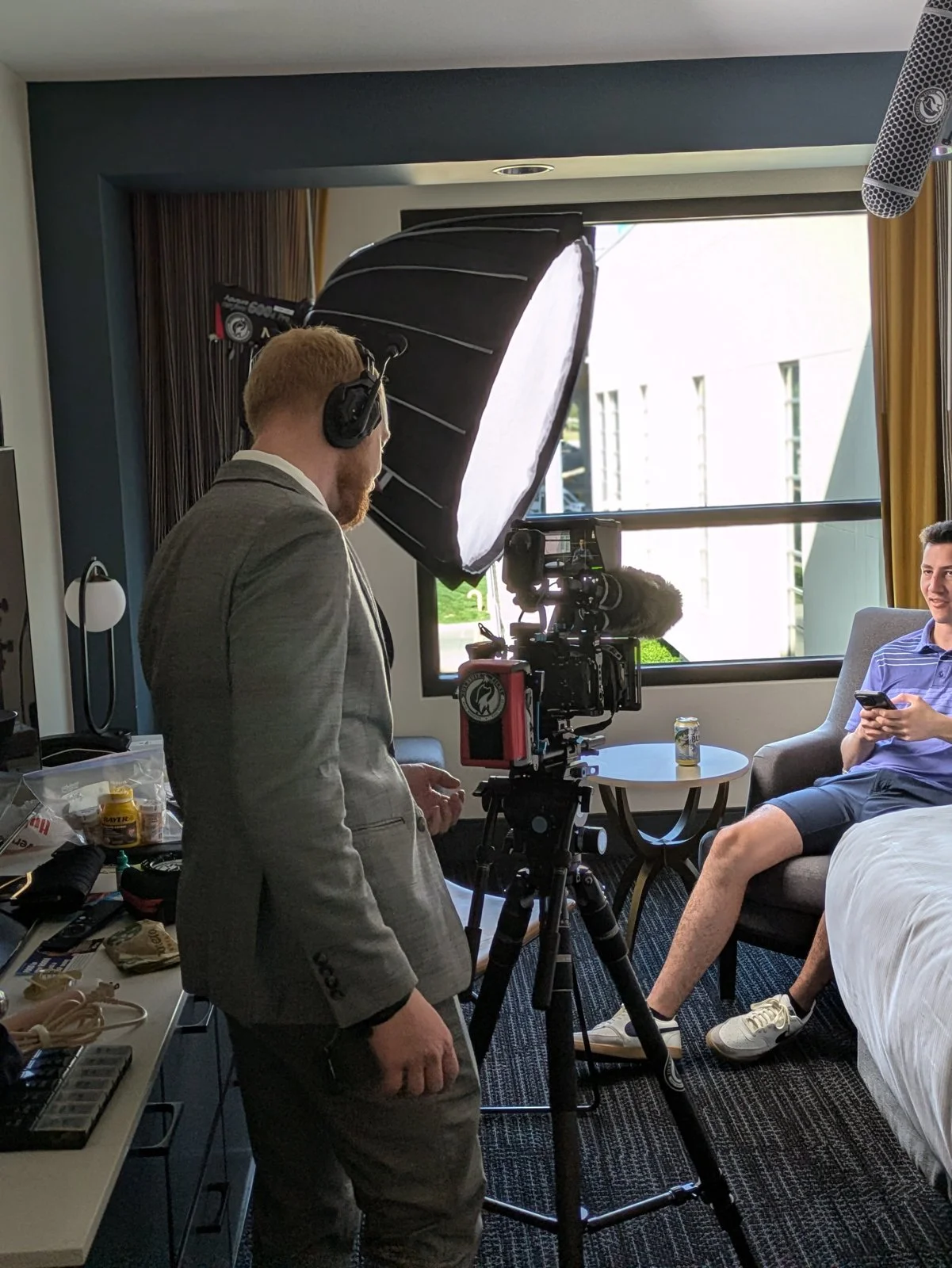
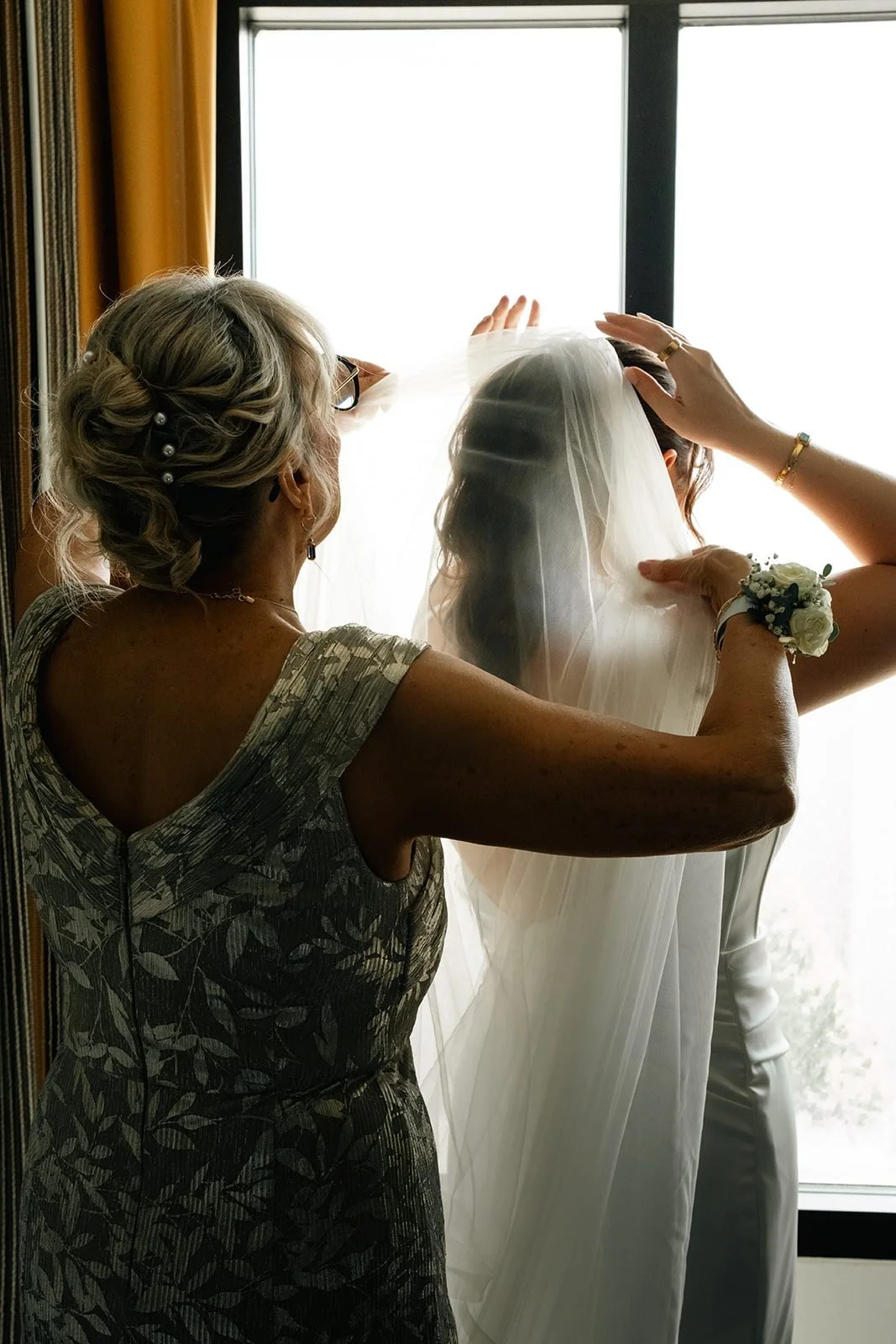
Two different jobs on the same morning: preparing a filmed interview and photographing the getting-ready moments. Grace and Alex’s wedding.
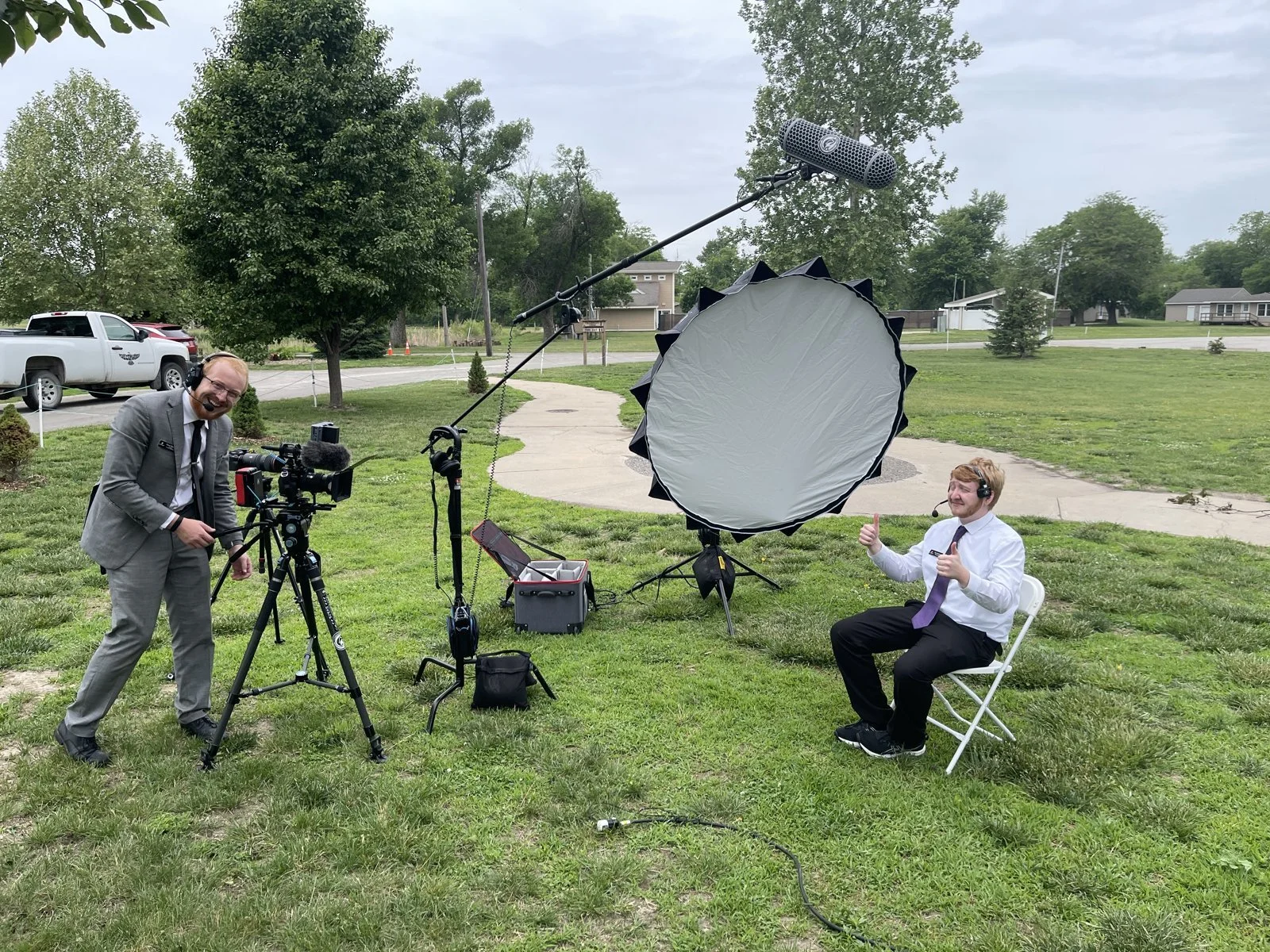
Before an interview begins: camera, softbox, boom microphone and a crew checking the setup together.
Emily and Brady: interviews in the morning, a same-day edit at the reception
Emily and Brady’s wedding is another way to see why the plan matters. Our team photographed their day, filmed their ceremony and created a same-day edit for the reception.
We interviewed them and captured footage throughout the wedding day. Then we edited that video at the reception and played it there for them and their guests. They were watching moments from their own day while that day was still happening.
That takes more than someone being quick at editing. Filming, organizing the footage, building the story and preparing playback all need time and people assigned to them. Those jobs have to be planned around the coverage, not improvised at the expense of it.
Emily and Brady’s same-day edit, created and shown at their reception. Watch on Vimeo ↗
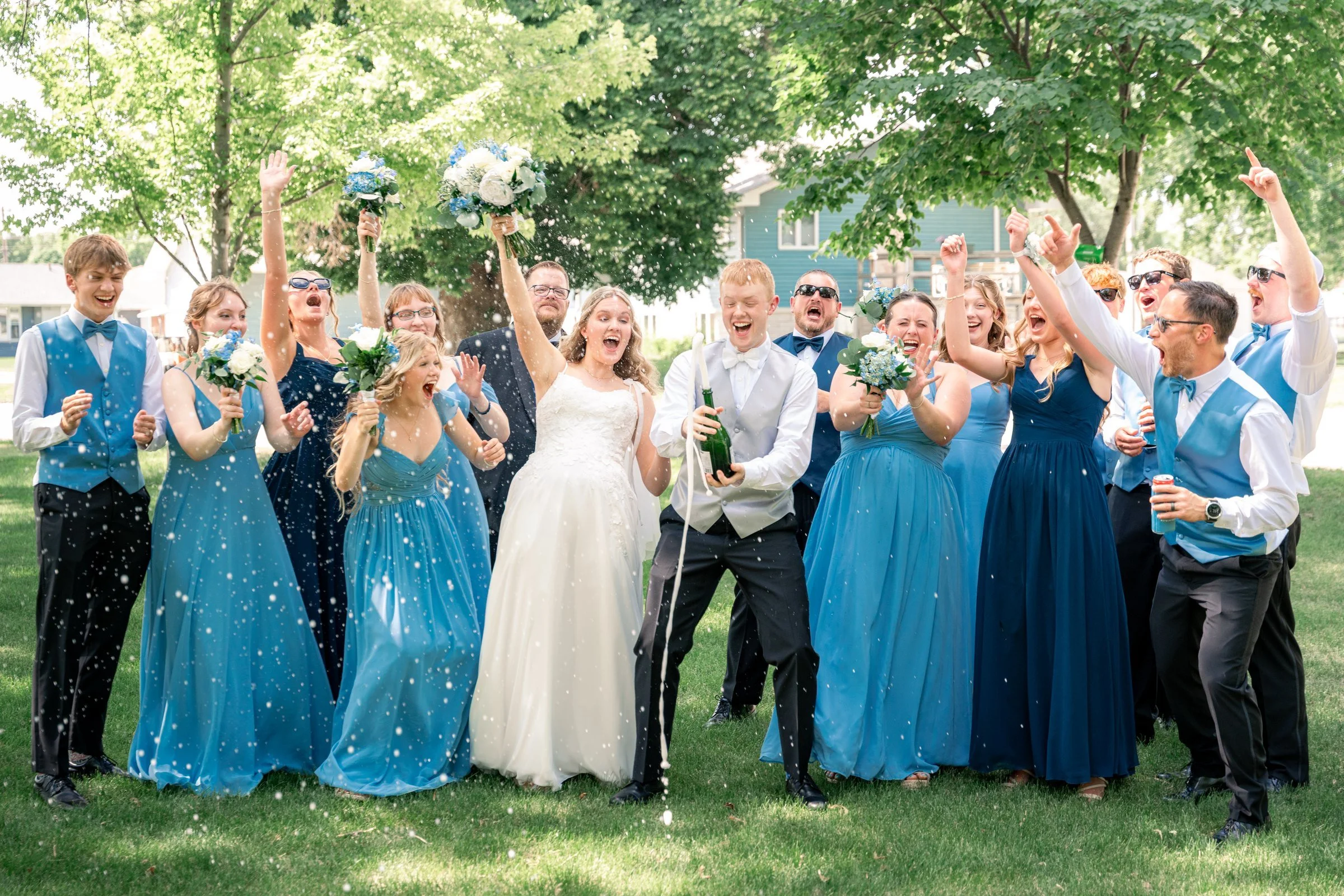
The photographs tell another part of the same day. Emily and Brady with their wedding party.
A same-day edit and a ceremony film are different deliverables. The first tells a selected story for reception playback. The second lets you return to the ceremony itself. Ask which finished films are included, rather than assuming every kind of edit comes with coverage.
What our team discusses before the wedding
There is a version of the plan you need, and a version our team needs. You should not have to spend your wedding thinking about microphone batteries or which camera is getting the second angle.
We meet with our couples more than once as the day takes shape. We talk through the moments that matter, build the schedule together and revise it when something changes. Then we work through the details as a crew, with photo-and-video calls and separate team calls when needed.
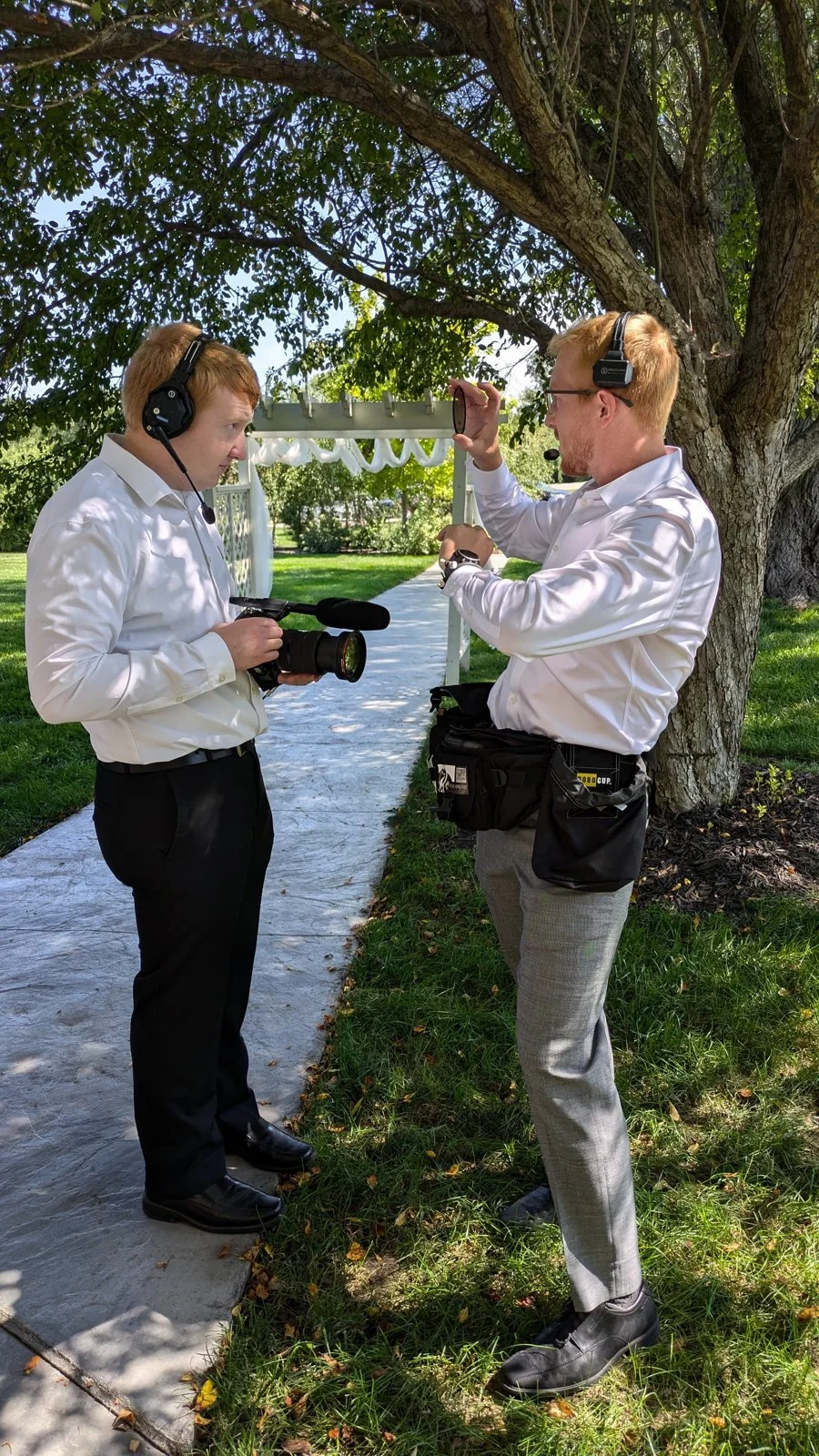
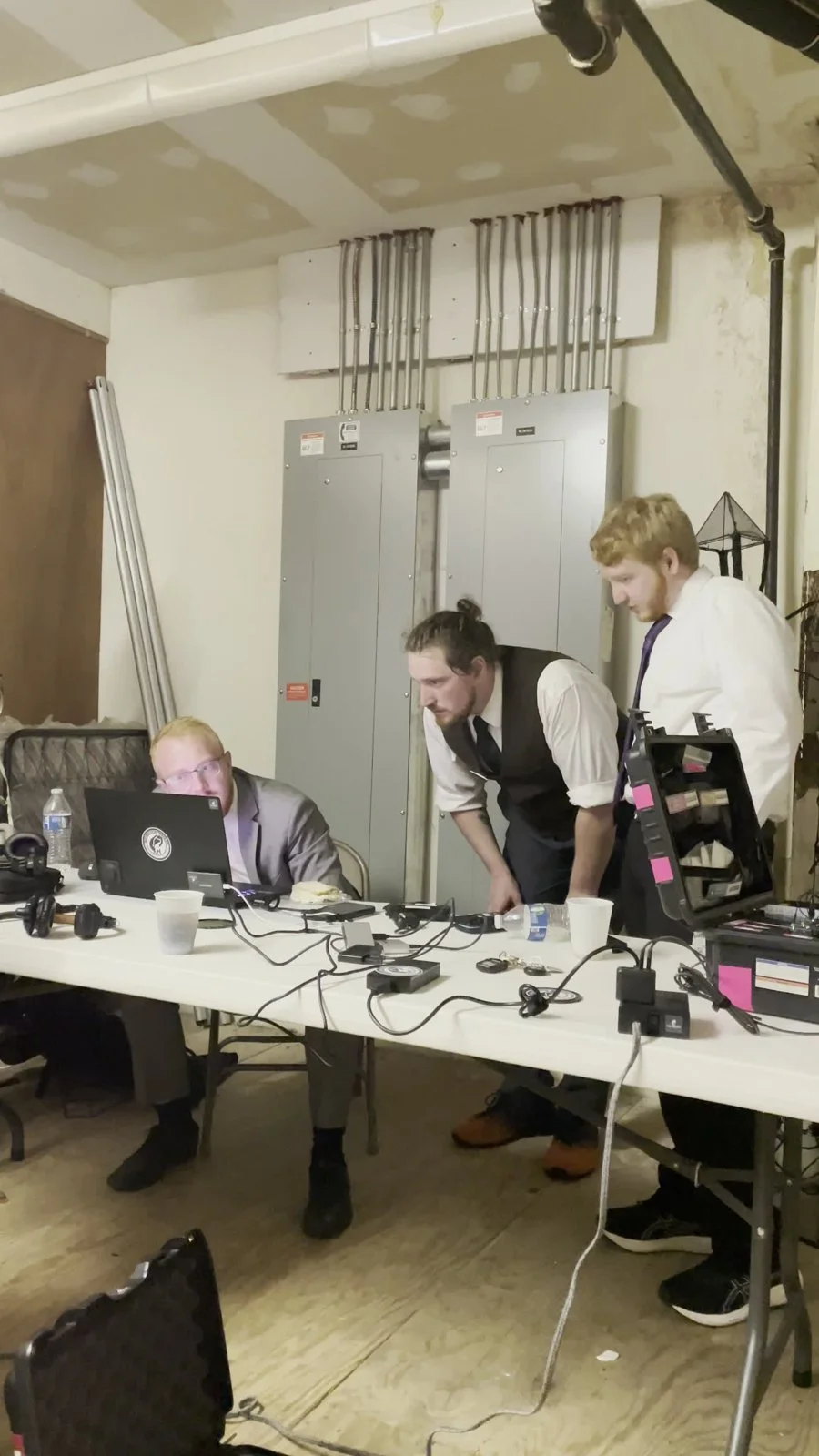
Checking gear together and reviewing the work. These are the people carrying out the plan, not just names on a schedule.
The timeline we build with you
This is a real, completed couple timeline, with its original family-photo lists, coverage overview and wedding-day schedule. It shows the kind of detail we work through together: who needs to be ready, when portraits happen and how the day moves between places.
Start with the overview and photo lists, then turn to page 9 for the day-of timeline. Your own plan will look different. This is an example of the planning process, not a schedule every couple needs to follow.
Full completed timeline · 21-page PDF · Opens in a new tab
The crew plan behind the scenes
This is a separate wedding’s internal crew plan. Follow the two videographer columns beside the photographer’s timeline. While one person stays with the couple, another can move ahead to set up an interview, check microphones or get the ceremony cameras ready.
The colors separate jobs such as travel, setup, filming and audio. This is the detail our team handles so you do not have to direct everybody on the day.
Full internal crew plan · 3-page PDF · Open and zoom in for the small schedule details
Real documents, with personal details protected. These examples come from two different weddings. The original layouts remain, with private names, contact details, street addresses and notes permanently removed. Trevor’s first name, dates, times and venue names remain for context. The couple timeline keeps Fox Brush Films’ public contact information and website QR code. Private document links are removed. These PDFs are flattened copies, not access to our clients’ files.
Want to start your own? Use our free wedding schedule template. It opens in Google Docs, where you can make an editable copy with a Google account.
Who will actually photograph and film your wedding?
That is a fair question to ask before booking. At Fox Brush Films, our photographers and videographers train in-house, and we bring the team together at our base in Wausa, Nebraska. We practice camera work, microphones, lighting and how we work together. Some team members are cross-trained in photo and video. Meet the Fox Brush Films team.
We choose the crew around availability, the needs of the day and who works well together. A day with separate locations or a same-day edit can need a different team structure from a simpler celebration. Tell us if you have a particular team-member request, and ask when your crew will be confirmed and how you can meet them before the day.
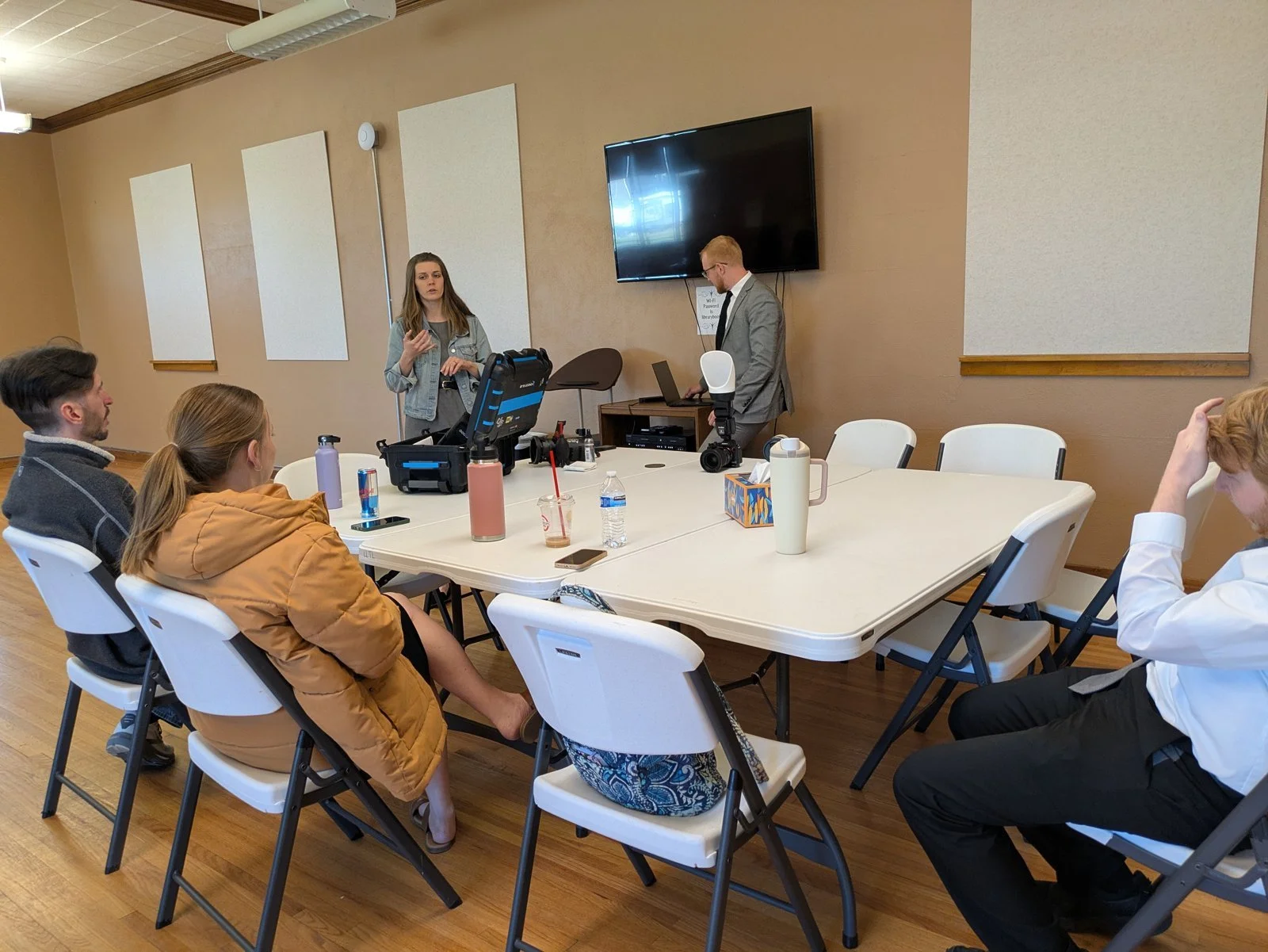
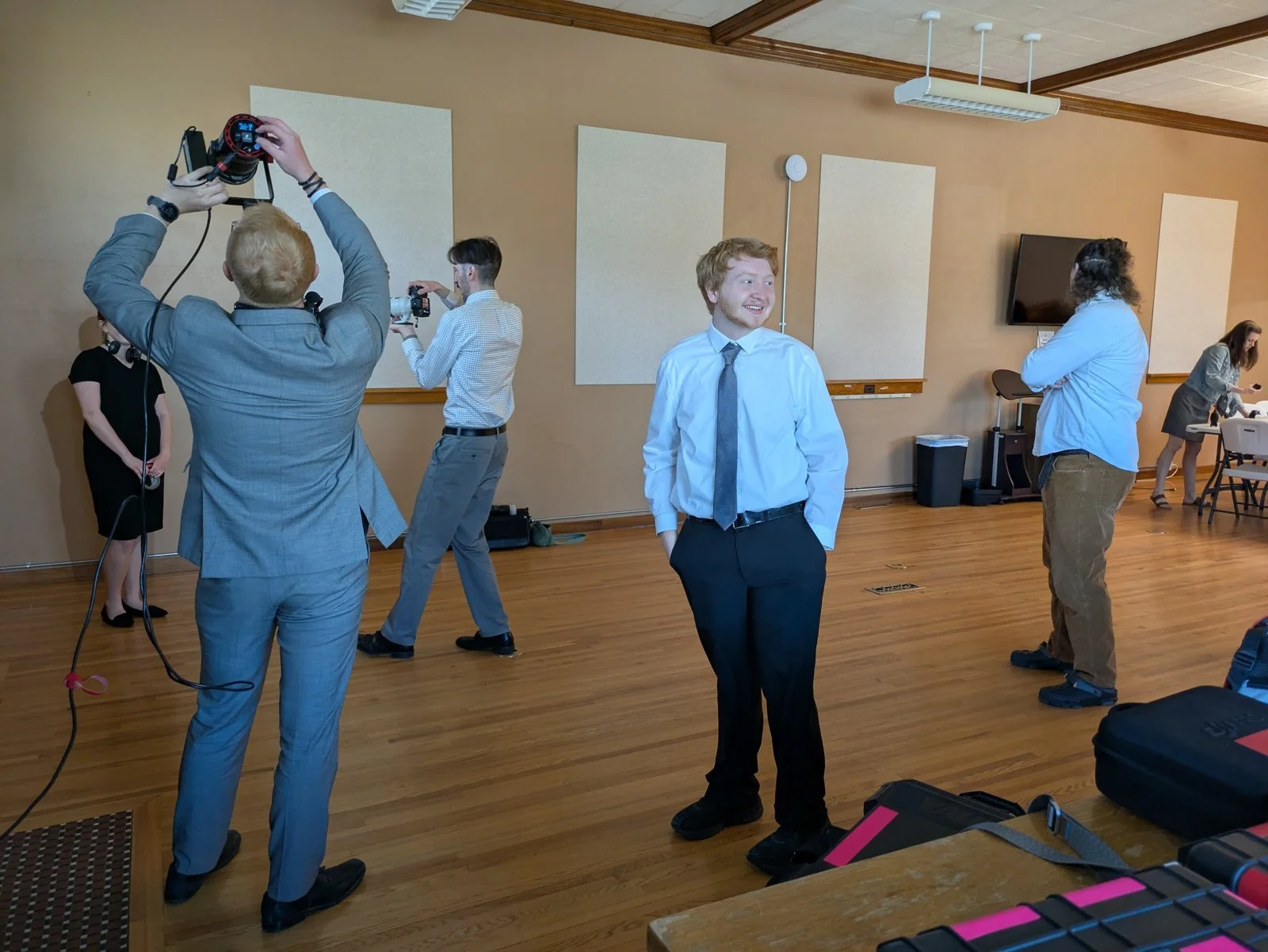
Preparation starts before the wedding calendar. Our team training together in Wausa.
Practice before the pressure is on
Training is not just a meeting about which buttons to press. We practice where to put a microphone, how to position cameras without getting in each other’s way and how the footage comes together in the edit. It gives us a place to ask questions and work through the details before a wedding day.
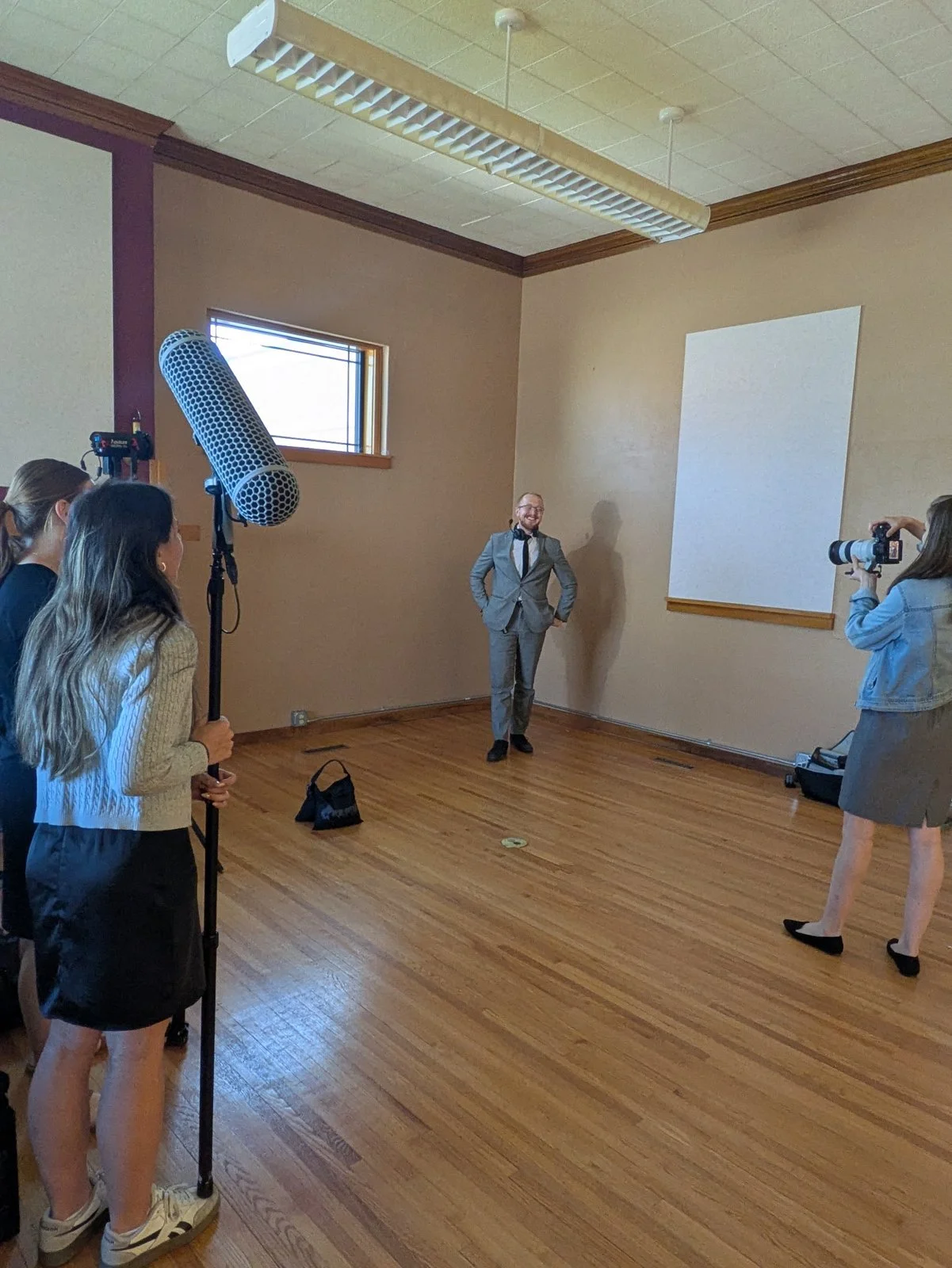
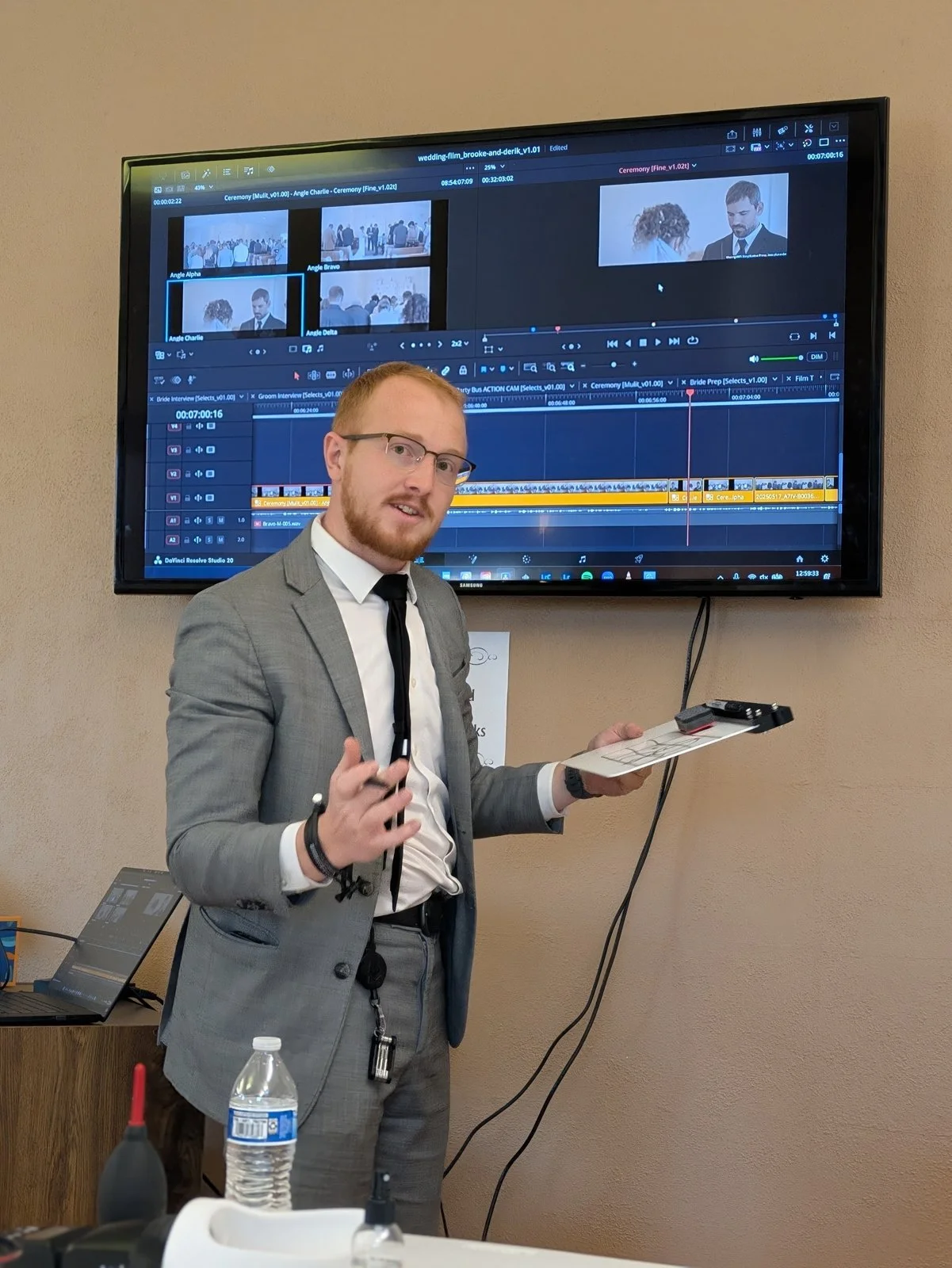
Microphone and camera practice, followed by Trevor walking the team through a wedding edit. Training day in Wausa, Nebraska.
We work with our trained team rather than simply passing your wedding to an unfamiliar outside crew. That said, “associate” or “contractor” alone does not tell you whether another company is good or bad. Ask who will be there, how they are trained, who edits the work and what happens if someone becomes unavailable.
Already booked a photographer? That works, too.
We worked alongside other photographers long before we offered wedding photography ourselves, and we still do. We reach out before the day, compare timelines and talk through the important moments. When useful, we share headsets so we can communicate quietly with the photographer or planner.
You should not feel pushed to replace somebody you already love. The question is whether everybody is willing to work together.
With a firm budget, protect the moments first
If your budget is firm, tell us. We do not need to turn every conversation into a bigger collection. We need to understand what matters most and what can reasonably be left out.
For some couples, that means a shorter, focused film plan alongside photography. For others, photo and video arrive or leave at different times. We have worked with plans where video is concentrated earlier and photography covers a later part of the day. That can help, but it also means the same moments may not be captured in both formats.
Write down what you want to hear and relive, then what you want to print or look through. Your vows, a first look, family photographs, speeches and a few dances may land in different places on those lists. Use that to build the coverage before choosing the hours.
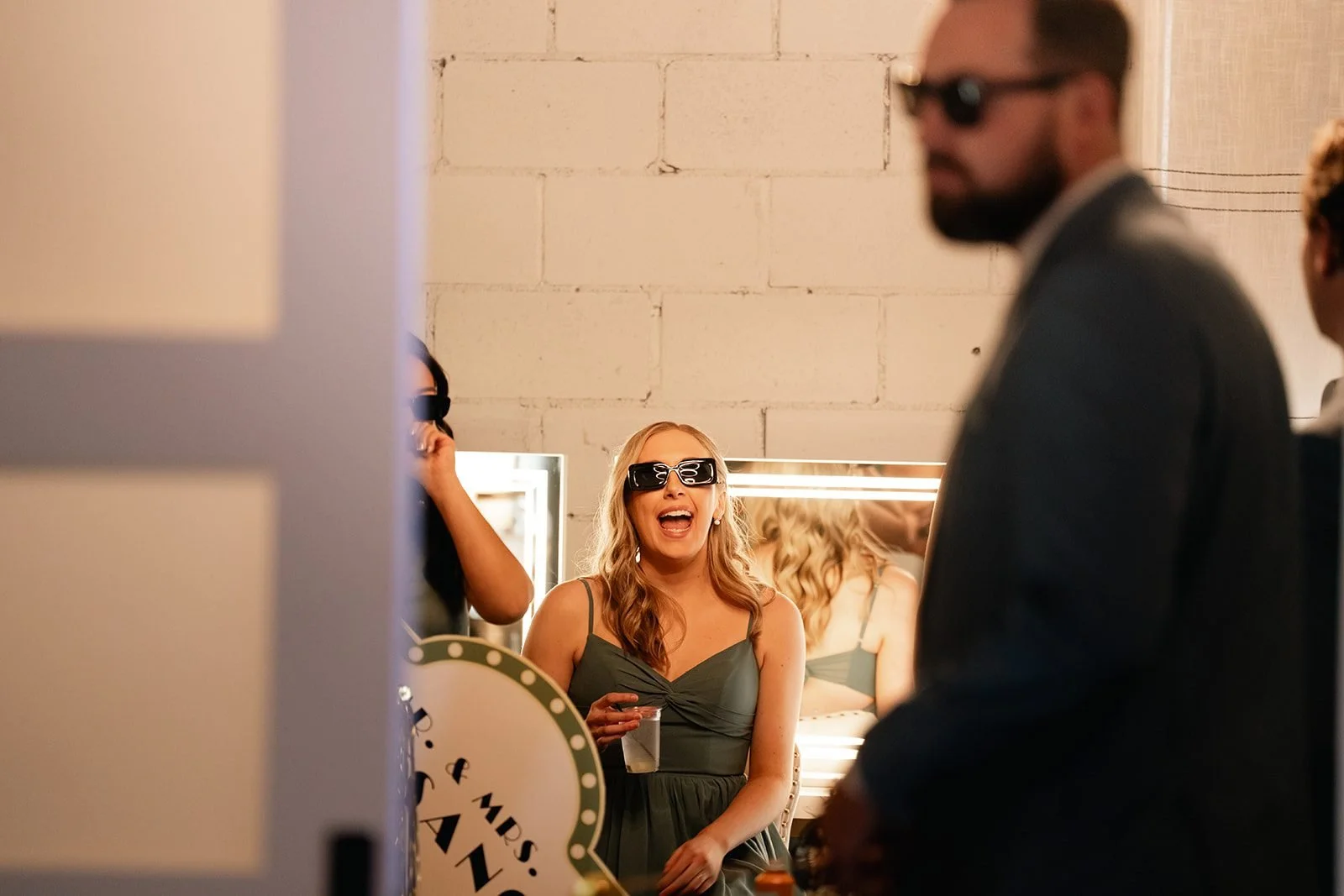
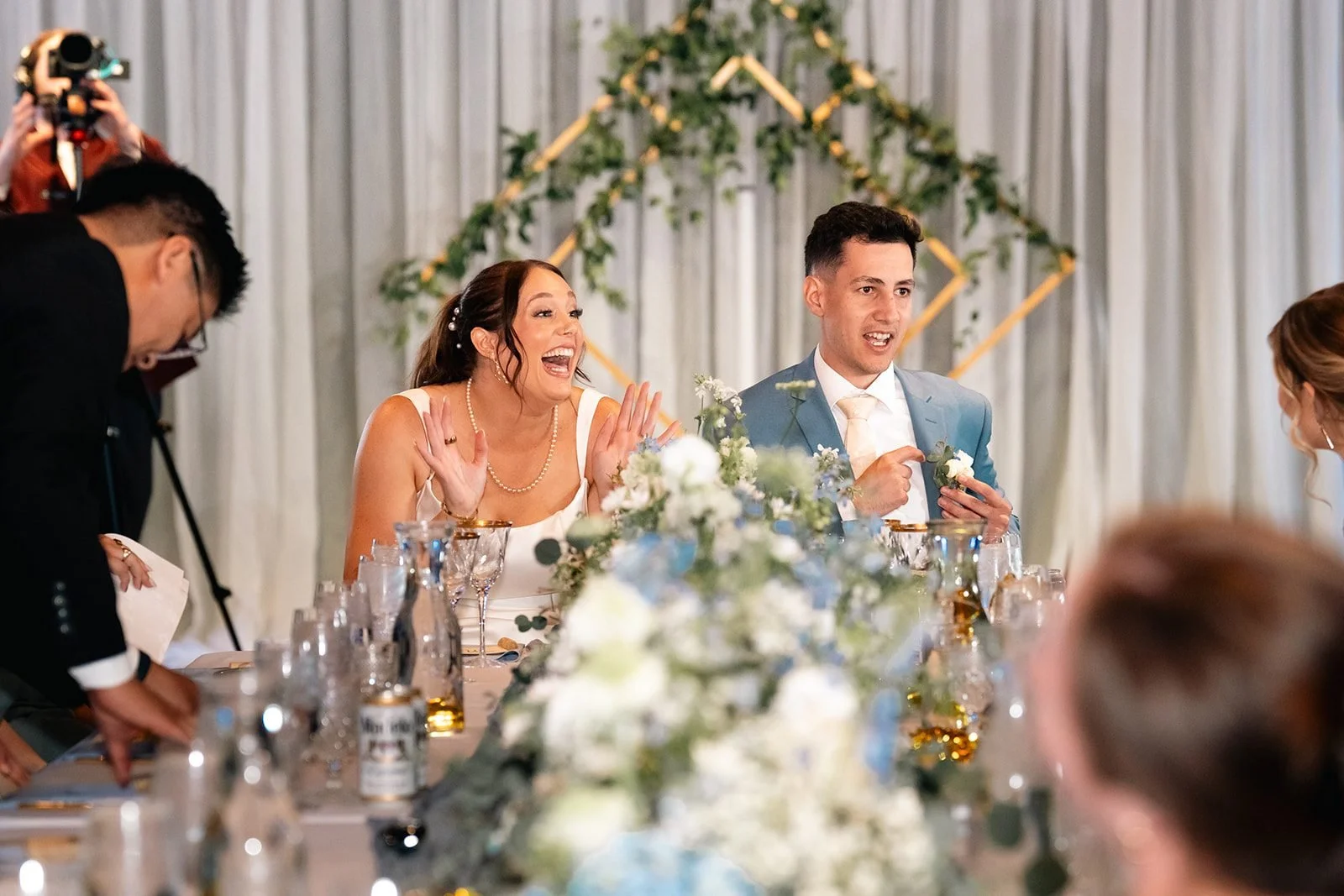
The speaker and the reaction. Think about which parts you want to see, hear and return to.
Our guide to how many hours of wedding photography and videography you need walks through those timing decisions in more detail.
Bundle savings and payment plans
Fox Brush Films offers up to 10% savings on eligible photo-and-video bundles, depending on the collections. We also offer zero-interest payment plans. Ask us to confirm eligibility, the payment schedule and the actual total in your proposal. A payment plan spreads the cost; it does not make the total disappear.
Compare the photography collections and film collections for a starting point. A custom plan may make more sense than a bundle that includes things you do not need.
Can you add a film edit later?
Sometimes, but do not assume. A later ceremony or speech edit is only possible if the necessary footage and audio were captured well and are still available. Ask about retention, the deadline to request another edit and the additional cost before booking. Storage duration and later edits need to be confirmed in your agreement.
Questions to ask any wedding photo-and-video company
- Can we see full galleries and finished films? Look at complete days in different lighting, not only the portfolio favorites.
- Who will be at our wedding? Ask when the crew is assigned, whether you can meet them and how they train together.
- How do photo and video share the timeline? Find out who coordinates interviews, portraits, ceremony positions and family groups.
- What exactly are we receiving? Separate coverage hours, crew size, highlight films, ceremony edits, speeches and any same-day edit.
- What happens if someone cannot attend? Understand the backup plan and who is responsible for it.
- What fits our actual budget? Ask about eligible bundle savings, payment terms, travel and a smaller or custom option.
- What can be added later? Confirm footage retention and editing options in writing.
Quick answers about booking wedding photo and video
Is booking photography and videography together cheaper?
Sometimes, but compare what is included before comparing totals. An eligible Fox Brush Films bundle can save up to 10%, depending on the collections. Check the hours for each service, number of crew members, finished films and travel costs. A lower total is only useful if the coverage fits your day.
Can one person photograph and film the whole wedding?
One person can offer a mix of photographs and video, but ask what happens during moments that cannot be repeated. Taking photographs, monitoring ceremony audio and following a reaction are different jobs. For couples who want both full photography coverage and a wedding film, I would look for dedicated people for each service.
Do photo and video need the same number of hours?
No. You may want video there early for interviews and conversations, with photography arriving closer to getting dressed. Or you may want a photographer to stay for sunset portraits after the film team finishes. Start with the moments you want in each format, then choose the arrival and departure times.
Does booking a bundle mean we do not need a second photographer?
No. A videographer still has a film to capture. Separate preparation locations, overlapping events or a large family-photo list may make a second photographer worthwhile. A smaller day may not need one. Ask how the team would cover your actual schedule instead of choosing crew size from a package name.
Book the work you love and the team you trust
I would recommend both services if you want both services. Not because every wedding needs the largest team or the longest day, but because photographs and film give you different ways to come back to it.
The real benefit of booking together is not that you get more people carrying cameras. It is that those people have talked, practiced and made a plan, so you can be with your people while they take care of their jobs.
We are based in Wausa and work with couples in Norfolk, Omaha, Lincoln and across Nebraska. Show us what your day looks like, even if some of it is still a question mark. We can talk through what you want to remember and build from there.