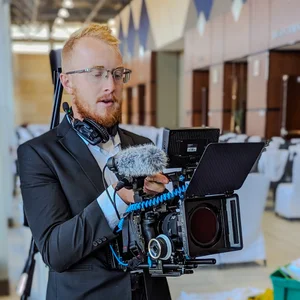
When someone asks us to photograph their company, one of my first questions is: what do you want these photographs to feel like?
Serious? Approachable? Consistent with the rest of your website? Sometimes you simply need customers to recognize the person they are about to meet.
That answer helps us plan the background, lighting and expressions. Then we figure out the practical things: how many people, where we will work and when you need the photographs.
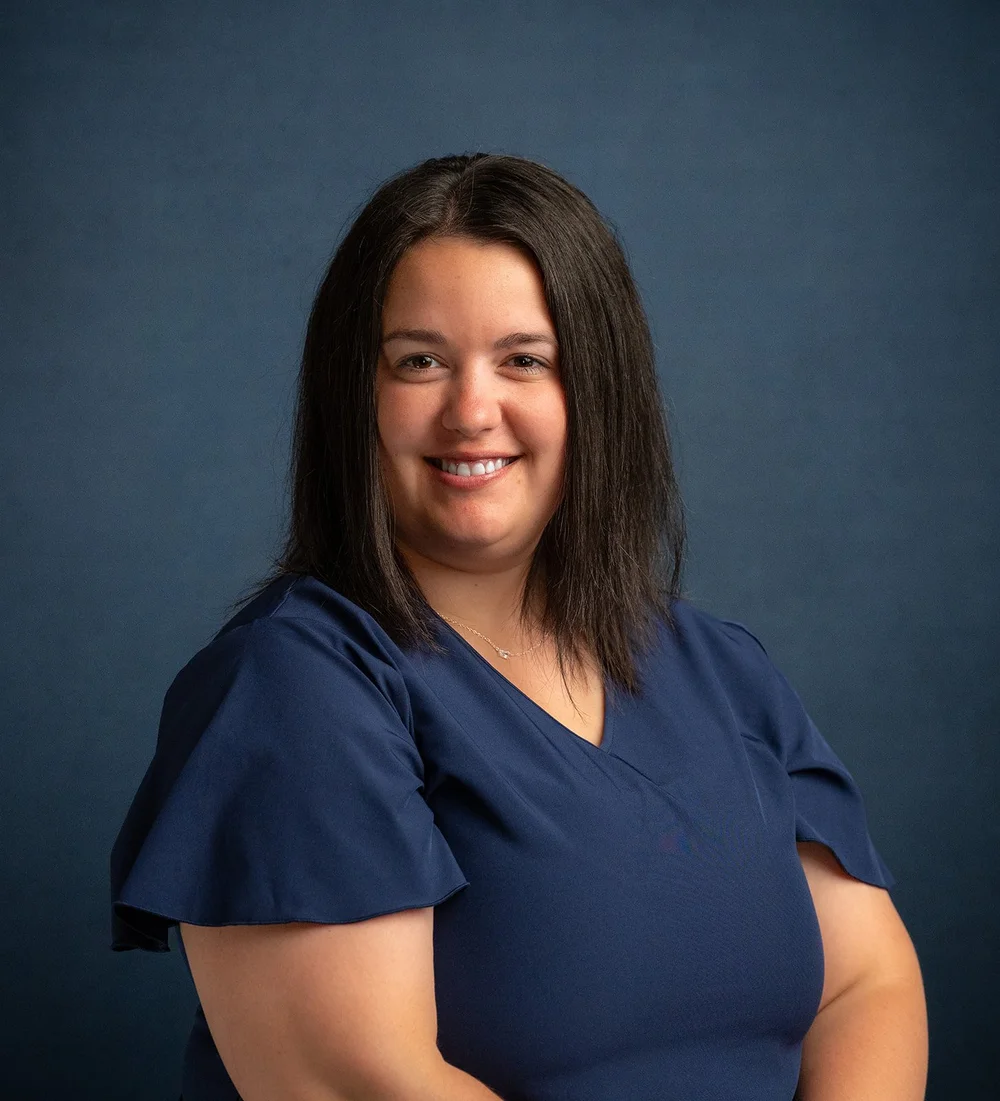
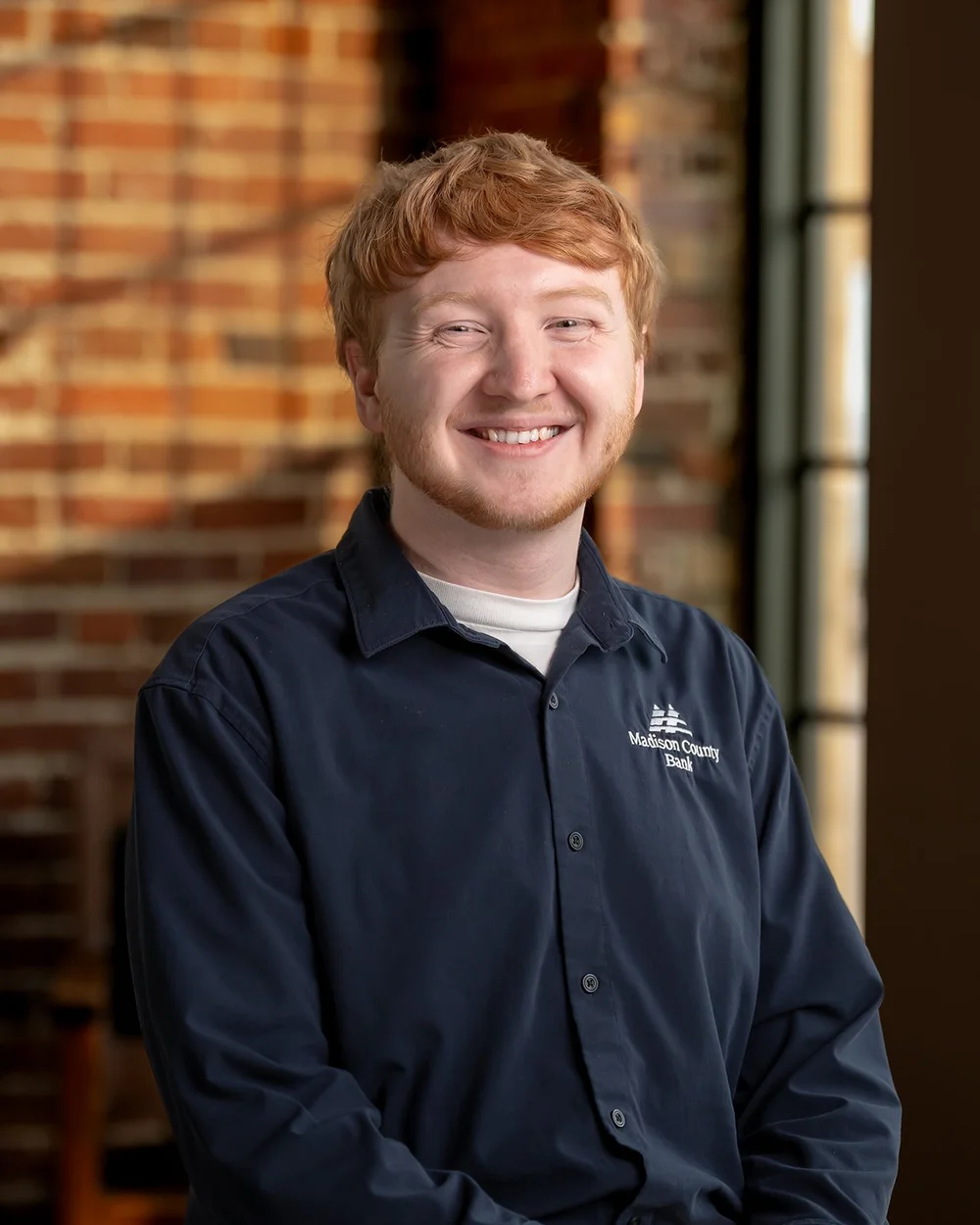
A plain backdrop is not your only option.
We can plan a clean background in a color that fits your brand. That can be a good choice when you want photographs to sit consistently together in a staff directory.
Our personal favorite is often your business space. A little brick, an office or another familiar setting can say something about the company without taking over the photograph. We use lighting, framing and depth to keep the person as the focus.
You don’t have to decide this alone. Show us where you are thinking, share an example you like and tell us if the new images need to match photographs you already use.
A real example: environmental headshots at Eternal Tattoo in Columbus
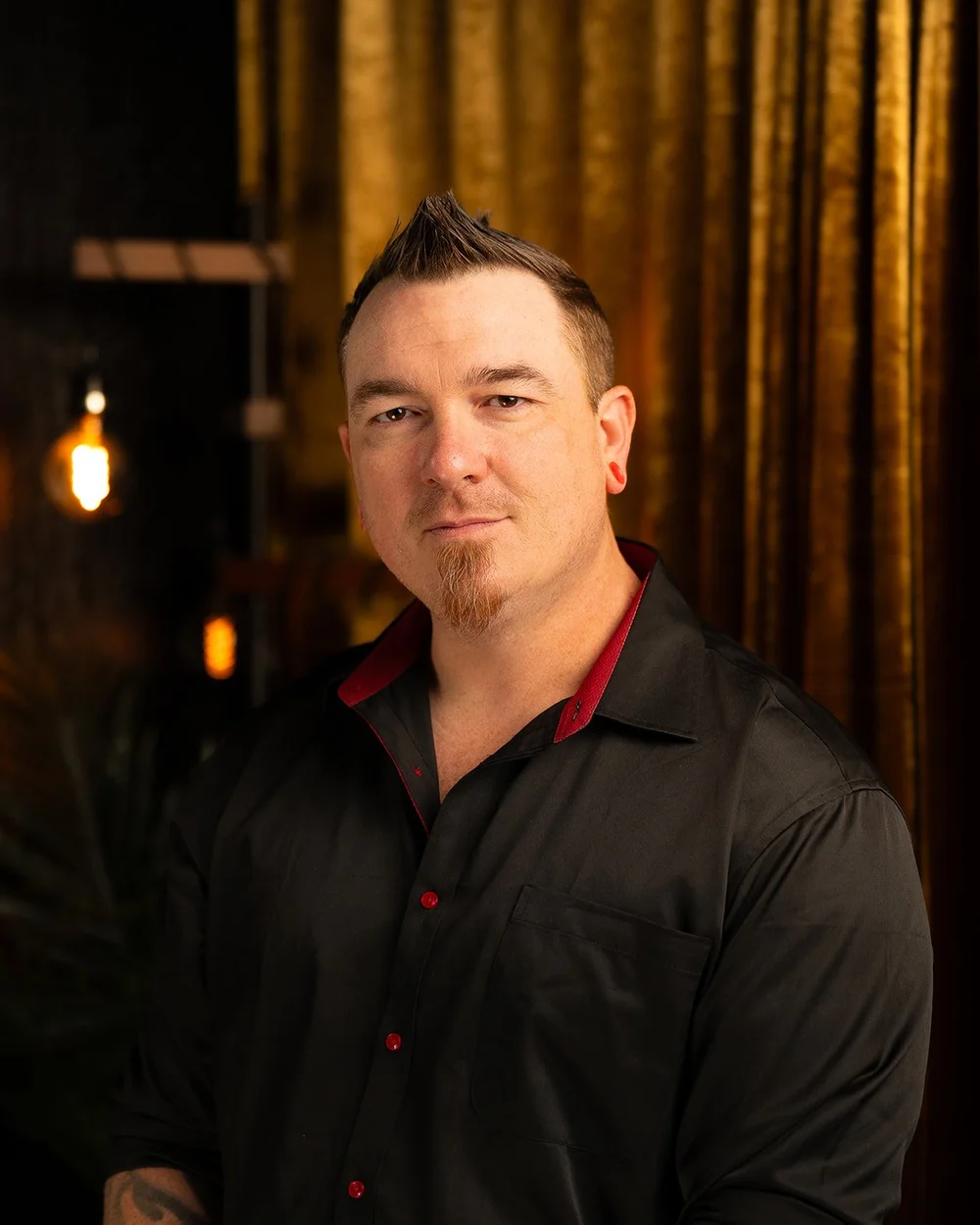
At Eternal Tattoo’s Columbus shop, we wanted the workplace to be part of the photographs. The main tattooing room was not an option for the headshot setup because clients were due to arrive at 10 a.m. We had to find a background and lighting arrangement that worked with the space the business could actually spare.
That meant adapting to the available area rather than assuming there would be a large, empty studio waiting for us. A pretty wall isn’t enough. A headshot setup needs room for the person, the camera and the lights. We worked with the available space to keep the person clearly lit while retaining the character of the shop behind them.
For an office organizer, the useful lesson is simple: tell us which rooms will remain available, when customers arrive and which walkways need to stay clear. A photograph of the proposed space can help us plan before headshot day.
Plan around the workday, not just the camera.
If we are using an active office as the background, we need to think about people walking through it. Before opening or after the workday may make more sense than trying to photograph someone in a busy shared space.
Pick one organizer who can help with the roster, location and internal communication. Let us know about shift changes, people who cannot attend the main session and any deadline for the website or announcement.
We will discuss the setup and schedule with you. A separate return visit needs its own plan and quote, so it is helpful to identify that early.
| Step | What happens |
|---|---|
| 1. Setup | About 30 to 60 minutes before the first person |
| 2. Each person | About 5 minutes at the mirror, then their turn |
| 3. Picking favorites | One person picks the finals in your Pic-Time gallery |
| 4. Gallery | We aim for about seven business days |
Your employees do not need to know how to pose.
That is our job. We guide people through expressions and a few poses, often including sitting or standing options depending on the session. We want the photograph to feel like the person, not like everyone was told to hold the same uncomfortable position.
For clothing, start with what represents your business. Tell employees well in advance whether to wear uniforms, branded polos or another kind of attire. Give people time to check the fit, wrinkles and details before they walk in front of the camera.
Set aside about five minutes for each person to use a mirror and check their appearance before their turn. That’s just mirror time, not the whole photo turn.
What if someone wears glasses?
Bring the glasses you normally wear. If we see glare, we can adjust the light or positioning; we may also ask whether you are comfortable taking them off for some photographs. If you already wear contacts and prefer them, that is another option. We will talk it through rather than make everyone follow the same rule.

Allow setup time before the first employee arrives.
Our lighting and camera setup often takes about 30 to 60 minutes. A long walk from the unloading area or a more involved location can take longer. That time belongs in the schedule before the first headshot appointment.
The actual time per person depends on poses, looks and how much reviewing you want to do. We confirm that with your organizer. Arriving on time and already dressed is one of the simplest ways to keep the rest of the team on schedule.
We usually have a laptop so people can review a few photographs. Some say, “Yep, we trust you.” Others want to see their smile and try another shot. That is useful, but the plan needs enough room for it so one appointment does not back up everyone else.
For the person who would rather skip the camera.
We keep it casual, talk you through it and give you direction. You do not need a rehearsed pose. For many headshot sessions, we prefer continuous lighting, which stays on rather than flashing between frames. Other setups need flash. We choose the approach for the space and the photograph.
Tell staff where to go, what to wear and that we will help them through it. It should feel like a short conversation, not a test.
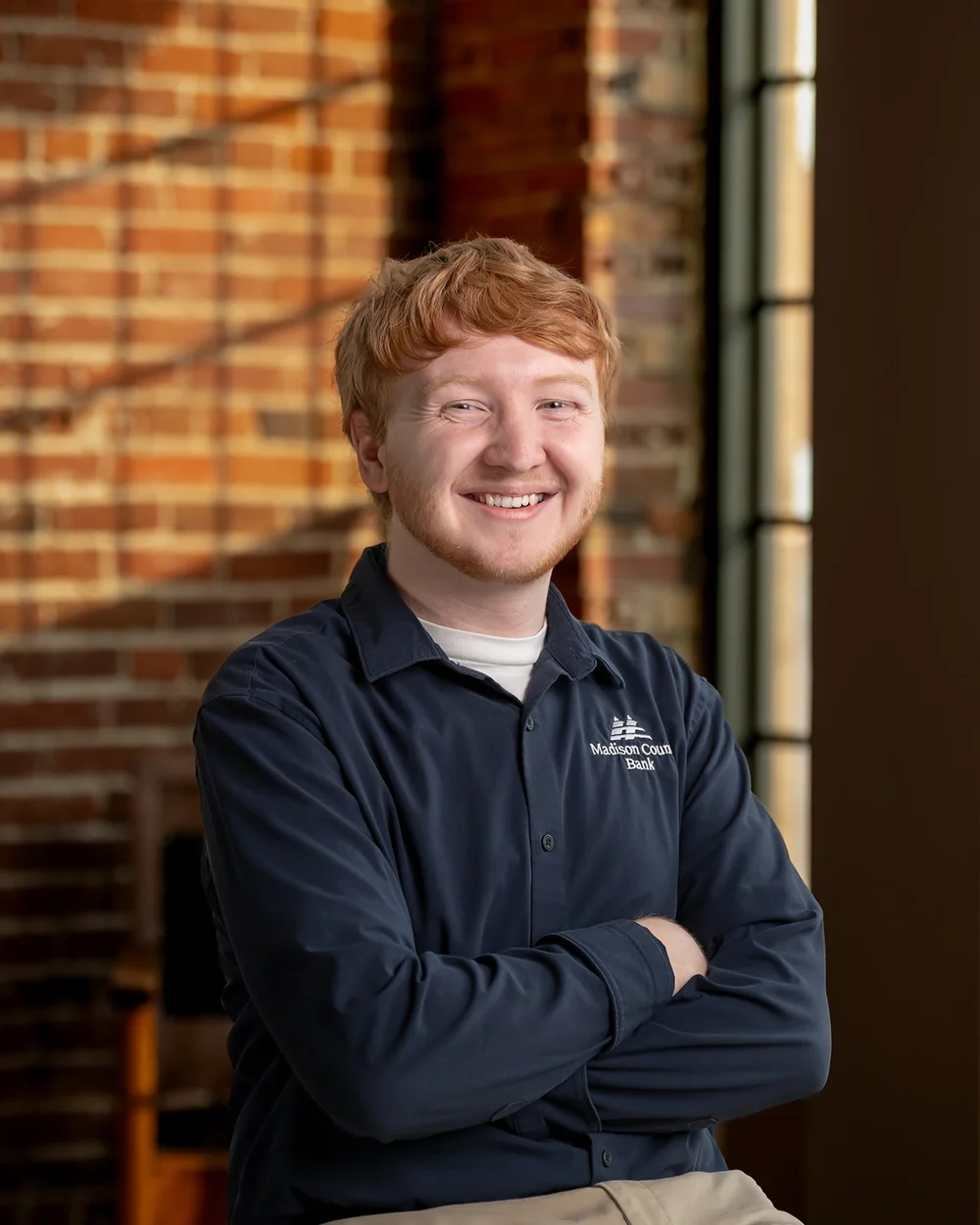
How selection, retouching and delivery work
Our starting headshot options include five finished images per person. Your proposal confirms the exact number for your project. We share a Pic-Time gallery with the company or organizer, who can share the link with the team and appoint one person to make the final selections.
The selected finished photographs are supplied as high-resolution digital downloads. You can use them for the agreed purposes, such as your website and staff profiles, download them for your own printing arrangements, or order optional prints through Pic-Time. Print products and shipping are separate purchases.
Basic retouching means color and brightness adjustments, with subtle attention to teeth and eyes where needed. It does not include acne removal, wrinkle reduction or other detailed skin retouching. If you need something beyond the included finish, discuss it with us before booking so we can confirm the scope.
We aim to have your gallery ready for review within about seven business days, depending on the project. Got a hard deadline for your website or an announcement? Tell us before the session, and your proposal will confirm the timing.
What do company headshots cost?
Team headshots start at $125 a person, plus $250 setup for each location or session. You need at least two people, so two people start at $500. The starting scope is one scheduled session with one agreed backdrop or setting and five finished images per person. Bulk pricing is available for larger teams. Multi-location work and separate return visits are quoted separately; your proposal confirms the scope and total.
Individual sessions start at $375, including setup for one person, one location and one backdrop. Travel and applicable sales tax are additional. Extra looks, extensive retouching and separate return visits require a quote. For a large team, conference or event, ask about a tailored bulk quote. Your proposal confirms the scope and final total.
See the current headshot starting options and scope →

After headshot day: keeping your team's photos consistent
Your team page may look consistent when the first session is finished. Then a new employee joins, someone changes roles and a different department needs photographs. Planning that next step now is easier than trying to reverse-engineer the look from a small website thumbnail later.
A consistent set does not mean everyone needs the same expression or pose. It means the background, framing, lighting and finished files feel related when the photographs appear together.
A small reference folder saves guesswork
Keep the approved original files, not only website screenshots. Give your organizer and designer a short checklist:
- The look: background, framing and a few approved expressions, with room for each person to look natural.
- Clothing: the current uniform, branded-polo or other attire guidance.
- Versions: label the staff-directory crop, leadership-profile crop and any print needs.
- Files and approval: use clear employee names and appoint one person to select images and maintain the website.
If your company needs a written headshot standard for several offices or future sessions, tell us while planning. We can discuss the documentation you need and include that work in the scope.
When someone new joins your company
Keep a list of new hires, absences and role changes. Ask whether it makes more sense to arrange one person's session or group several updates into a return visit. There is no single schedule that fits every business.
A separate visit is quoted separately. The first shoot's per-person rate does not automatically carry over without setup, travel or another session minimum. We confirm the location, headcount, look and final total before booking.
Matching an older set is a conversation, not a guarantee
Send examples before the session. If the original photographer used a different backdrop or lighting setup, or the office has changed, an exact match may not be practical. We can discuss whether to aim for a close visual relationship or use a planned refresh to move everyone toward a new look.
For photographs made at your workplace, tell us whether the same room or background will still be available. Light, furniture and foot traffic can change. A consistent backdrop may be easier to repeat than a busy part of an office, but the right choice depends on the images you want.
Keep that reference folder in an internal shared location with appropriate access. Employee contact details, scheduling notes and unused photographs do not belong in a public folder.
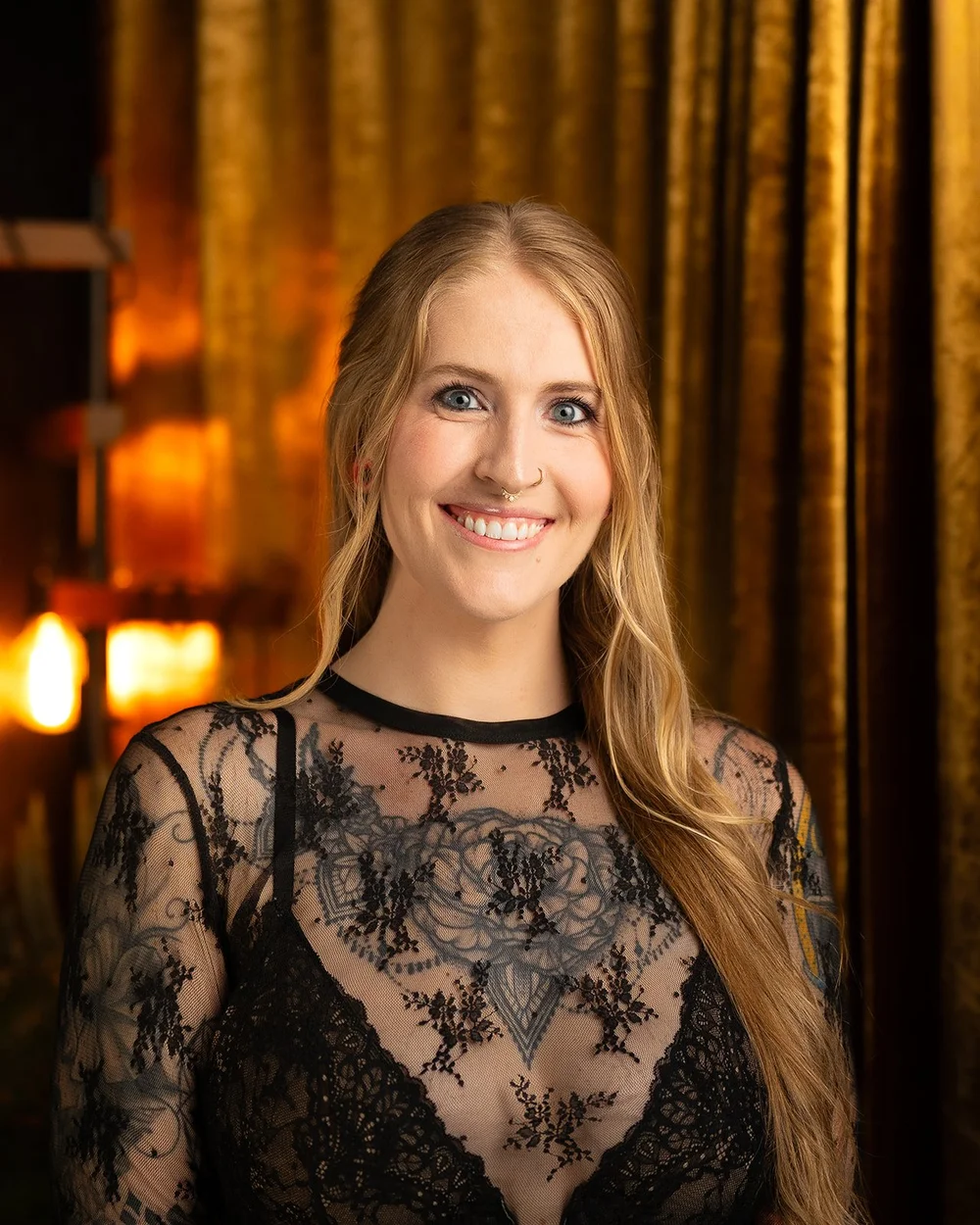
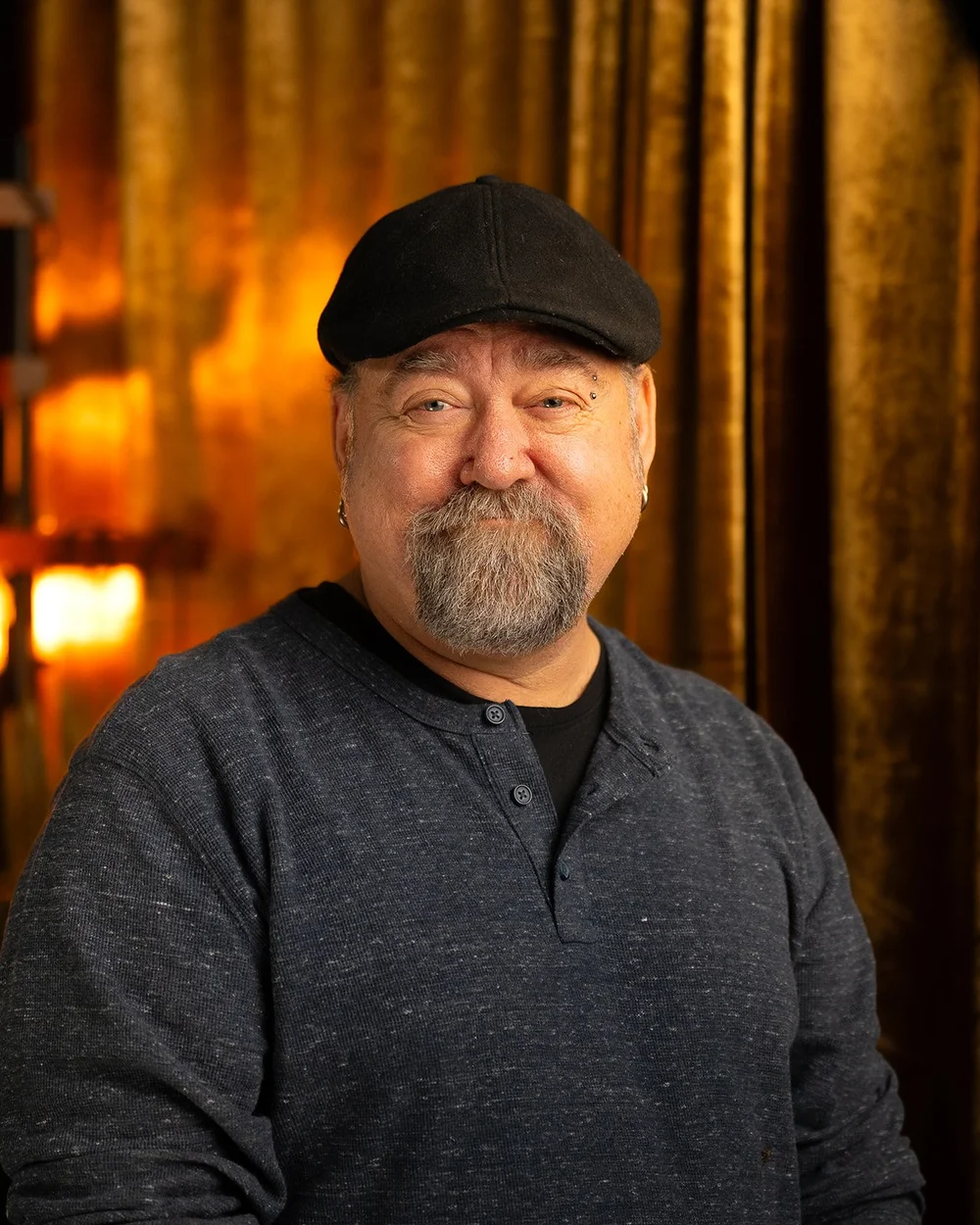
Planning company headshots across Nebraska
Fox Brush Films is based in Wausa, and this guide includes headshots from our Commercial State Bank assignment there. If you are planning photographs for one office or several Nebraska locations, share the headcount, addresses and existing images. We can discuss availability, travel and a practical setup for each workplace.
See team headshot options and plan your next session →
Questions worth clearing up early.
Can you come to our workplace?
Yes. We plan an on-location setup with you. Tell us about the available space, normal business activity and the background you want.
Can we update only a few team members?
Yes. Share the existing photographs so we can discuss the background and framing. We will confirm what is practical and quote the session before booking.
Can we add photographs of the business itself?
Bring that up during planning. Workplace images need time and a shot list of their own. We can discuss a combined scope instead of treating them as an assumed extra.