Planning a Business Video in Nebraska: What to Film and Where to Use It
When a business tells me, “We need a video,” I usually want to know what made them reach out in the first place.
Are people having trouble understanding what you do? Are you trying to bring in employees? Do you have a story worth telling, or do you need to show the equipment and people doing the work?
Those are different jobs for a video. Before we talk about cameras, we talk about the problem, the audience and where the finished work will go.
First, what should someone understand?
On our first phone or Zoom call, we ask about the pain points you are seeing, who you want to reach and why you think photo or film might help. We talk about your budget, deadline and what a useful result would look like.
“We want more people to know us” is a starting point. “People do not realize we offer this service” gives us something more specific to work with. So does “Applicants do not know what a normal day here looks like.”
The answer might be an interview-led story. It might be a tour, event coverage or footage of a crew at work. You do not need every kind of video at once.
Decide where the video will live before filming.
A film for your website may need a different approach from a video on a screen in your office. A social post has a different amount of time to make sense to someone. We want to know those destinations early so the footage, framing, sound and finished versions fit their jobs.
Your website
What page will it sit on? What question should it answer? What should someone do after watching: explore a service, book a visit or send an inquiry?
Social media
Which channels matter to your audience? Discuss shorter versions, vertical framing, captions and the opening before the shoot, rather than assuming every cut is included.
Office screens or events
Will people hear the sound? Will they watch from the beginning? A screen that loops through your work has different needs from a film introduced to a seated audience.
Recruiting and sales conversations
Show what someone cannot learn from a short description alone: the people, environment, process or equipment. Agree on who will share it and where it belongs.
A finished video is not a guarantee of leads, applicants or sales. Distribution, the offer and your follow-up matter too. We can discuss intended use without promising a return we cannot know.
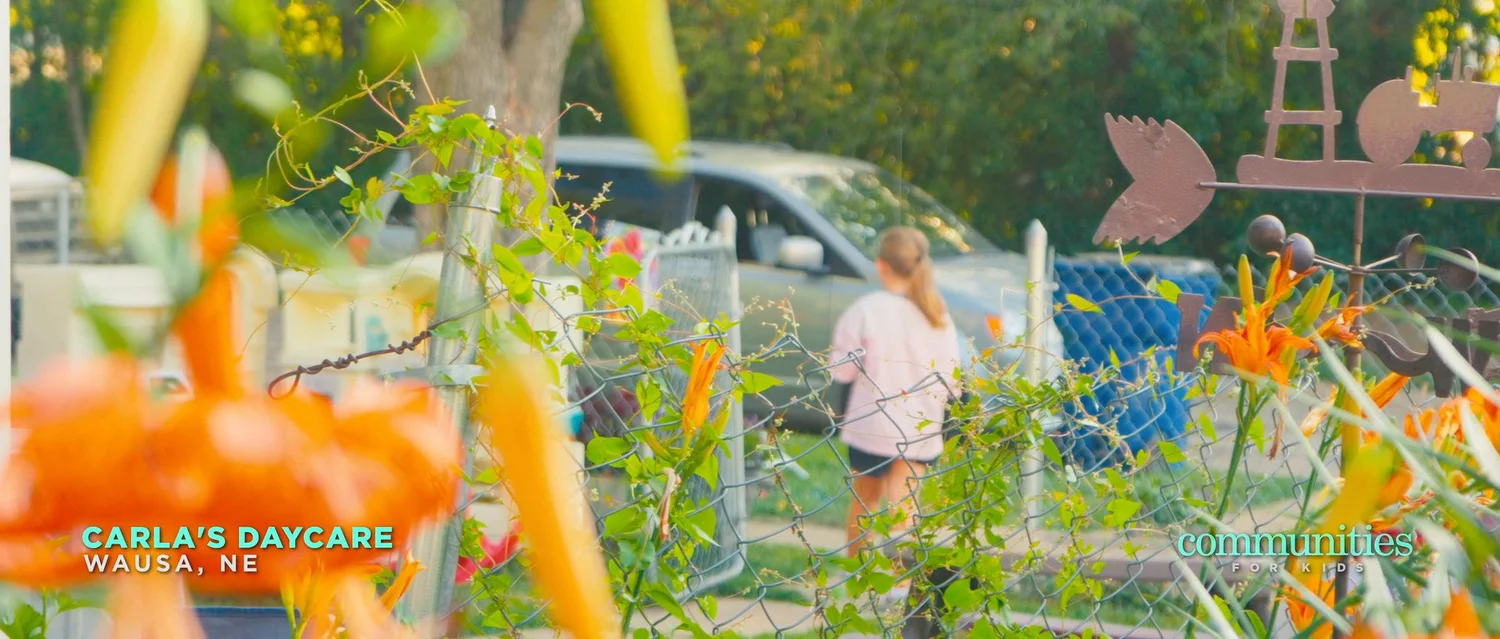
A real example: helping Wausa understand C4K.
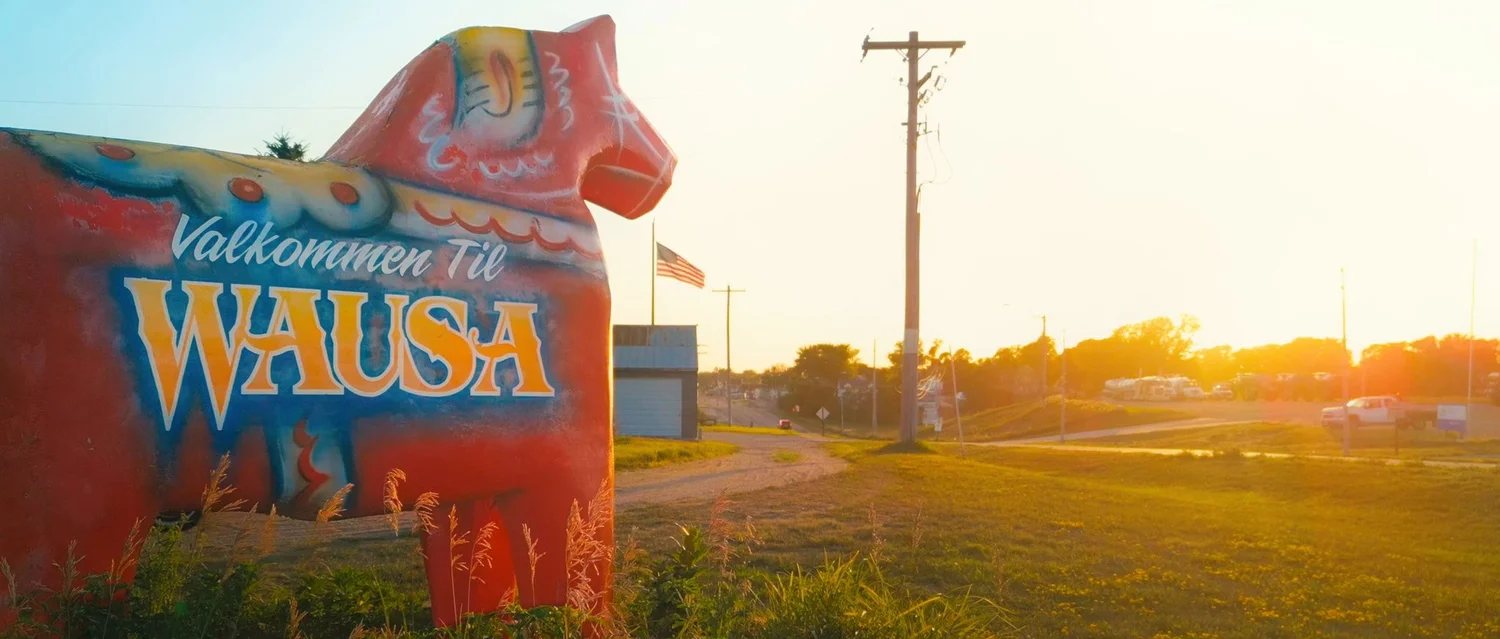
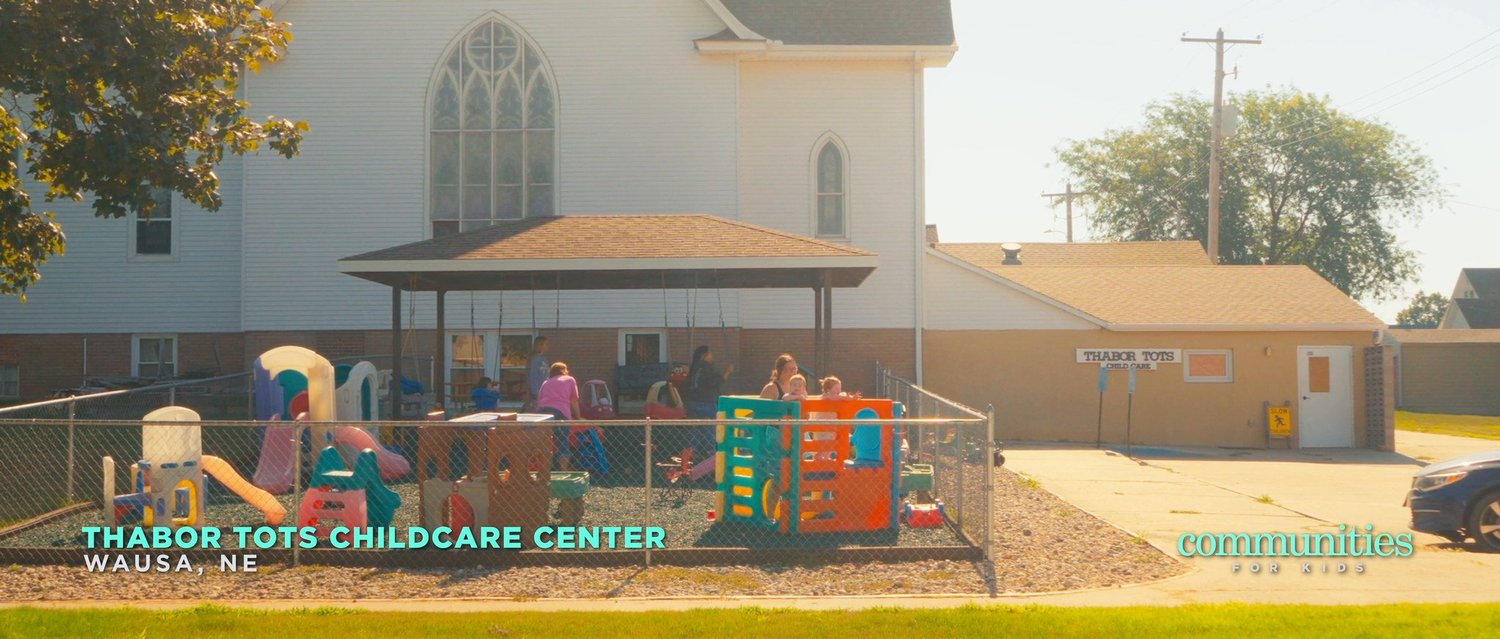
It Takes a Village is one of my favorite projects. Wausa Communities for Kids was a relatively new group, and they wanted people to understand who they were, what they were building and why it mattered to our small Nebraska community.
They needed more than “here is our organization.” They wanted people to see what they would be supporting, then know how to get involved or donate.
I sat down with their board for two meetings. We brainstormed the angles, talked about the mood and worked through what people needed to understand. The original idea was a video of roughly two minutes. During our three review rounds, the board wanted room to answer more questions, and the story grew beyond that original two-minute idea.
That does not mean every business needs a longer video. It means the length should serve the purpose. As the story changed, we could revisit interview answers that had not made the first cut and find a better way to explain the project.
C4K shared the finished film on Facebook and social media. The organization received donations following the video, which was meaningful to see. That is one project’s response, not a promise that a film will produce a certain amount of donations or sales.
The other useful part is having something to return to: a film they can show the next person who asks, “What do you do?” As the organization changes, the story and any practical details still need to stay current.
A venue tour has a different job.
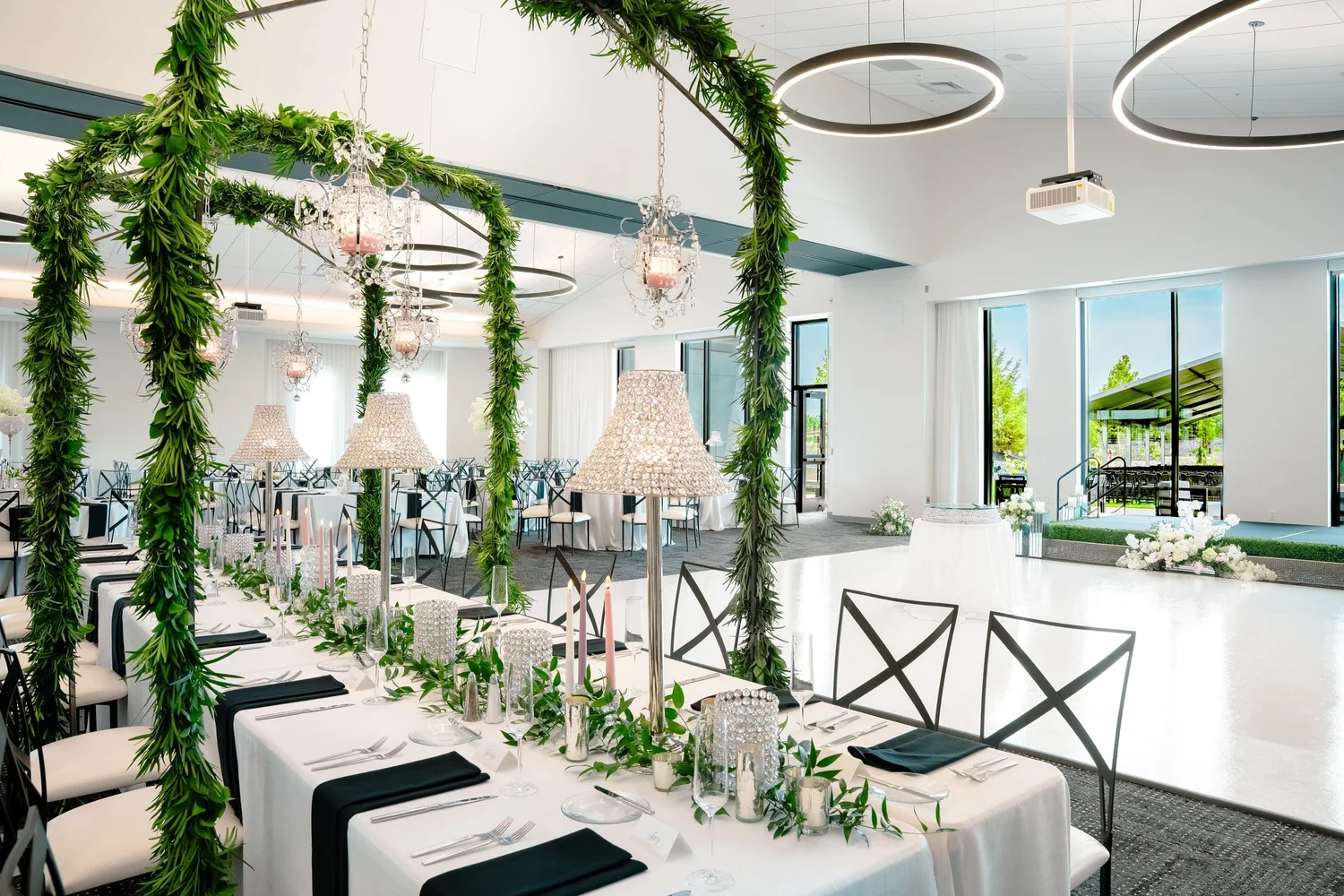
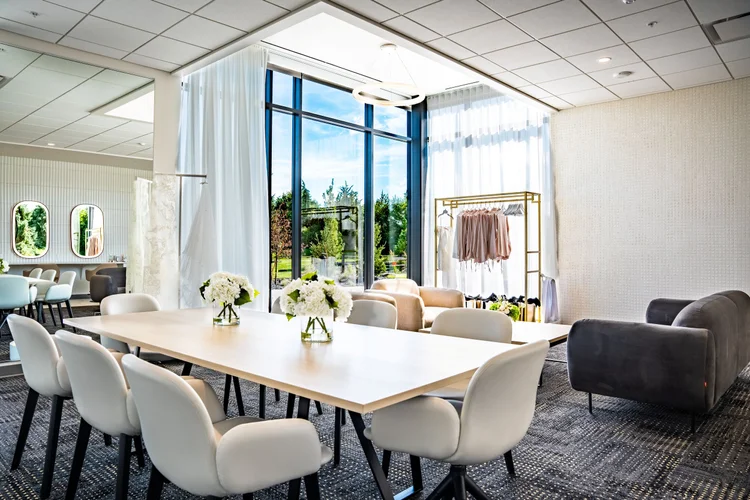
For Venue 5 Twenty-Two in Lincoln, the owners wanted to introduce a brand-new space. We spent time moving through the venue and showing people what was there. Their marketing team reviewed the message and pacing with us. It was a different approach from C4K because the question was different: what will it feel like to be in this place?
Compare the venue tour, C4K and our other Nebraska commercial films →
Sometimes the work itself is the story.
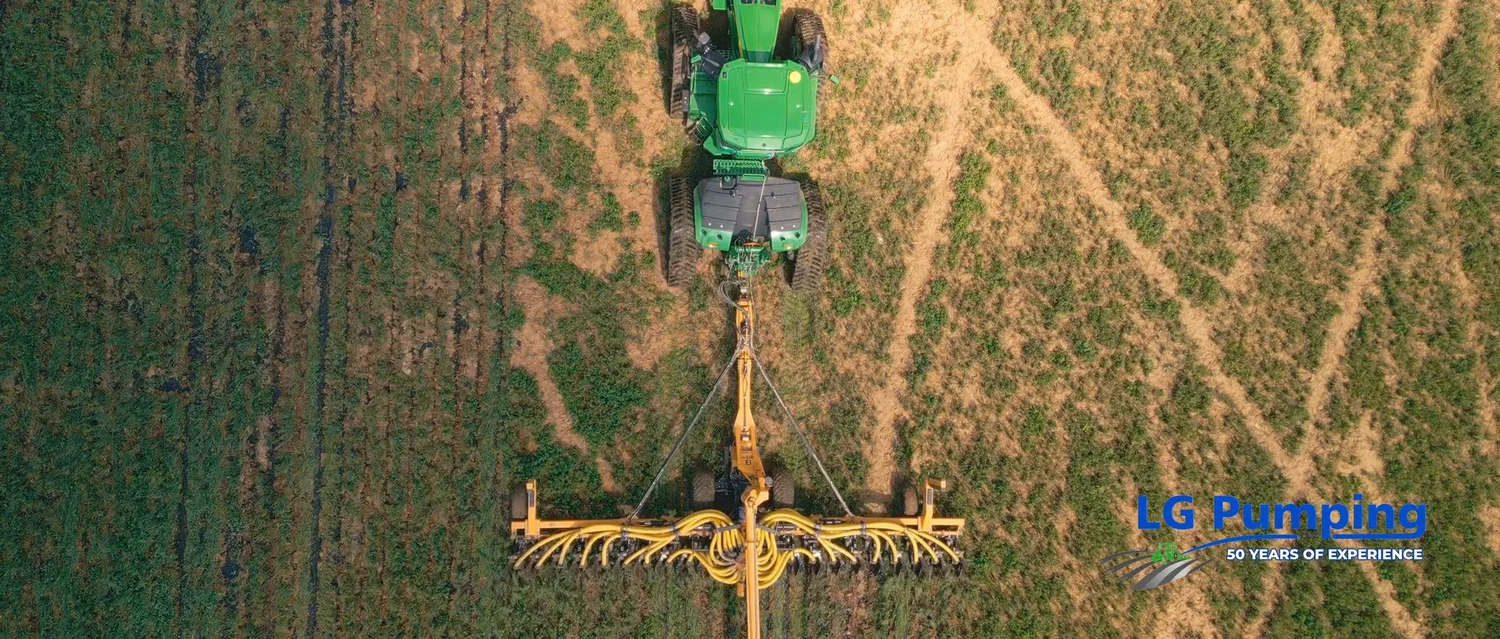
For LG Pumping and Lind-Gubbels, the equipment, people and activity give viewers a practical picture of the work. Compare that with C4K: one introduces a community project through people’s voices, while the other also needs room to show the scale and process.
With a limited budget, ask what the video will actually help.
Be honest with us about the budget. Then be just as honest about the job. Could a clearer explanation help people support your nonprofit? Does it show a service customers do not know you offer? Will it help people understand an event before deciding to attend?
Sometimes the value is a direct response. Sometimes it is a more credible introduction to the people and work behind your business. Those are worth discussing separately instead of pretending every view becomes a sale.
One well-planned film may be useful across many conversations and channels for years. That is a possibility, not a guaranteed shelf life: staff, services, branding and offers change. Prioritize a clear core story and the versions you will actually use. We would rather talk through that than fill a proposal with extras that do not help your goal.
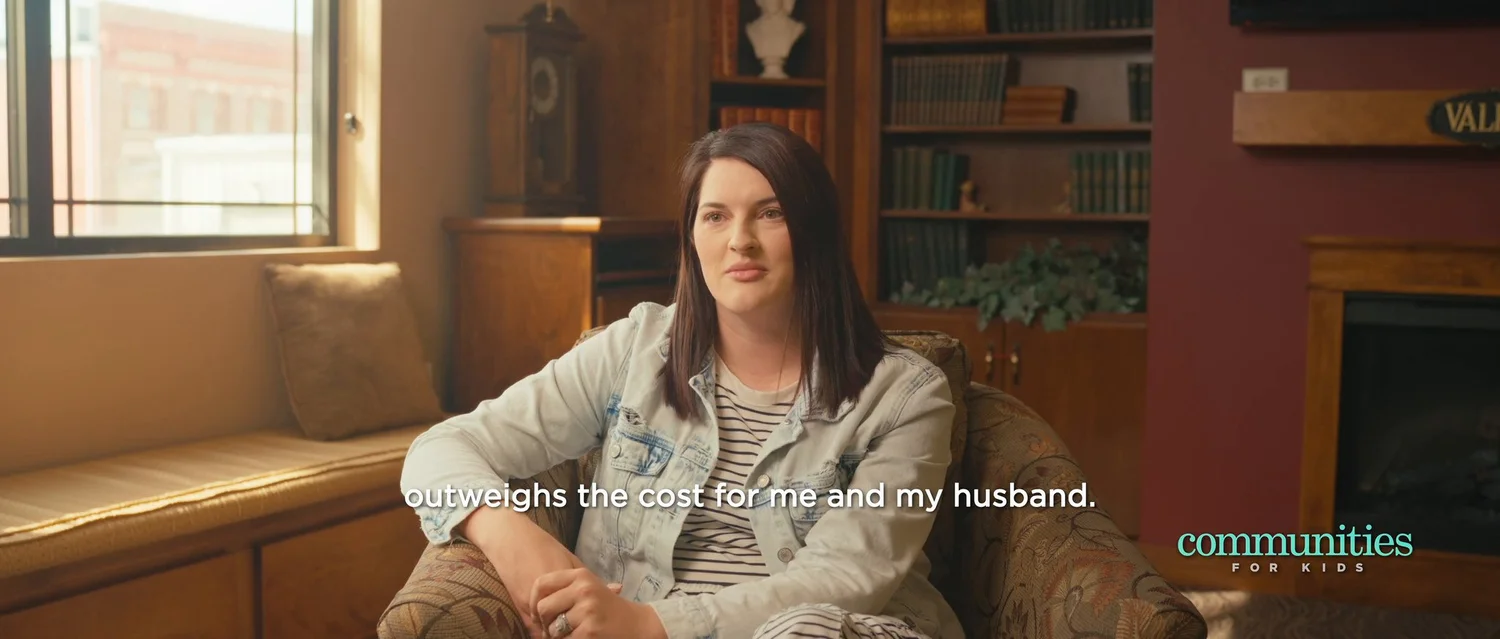
You do not have to perform a perfect interview.
Most of our interviews are a chat. We have questions in mind, but we are listening, too. Some of the useful questions come from what you just said, not from the list.
We may send prompts ahead of time so people know the topics. We try to make it comfortable. We are a pretty goofy bunch, and it helps when the conversation feels like people talking rather than someone trying to deliver the perfect line.
Depending on the project, we can film interviews and supporting footage on the same day or arrange another visit. Tell us if the activity we need only happens at a certain time.
What about customers and the workday?
Sometimes filming during business hours is the point because you want real activity. Other projects need a quieter setup before opening, after work or on a weekend. We plan that with you and discuss access, people who will appear, permissions and any areas that should stay off camera.
The goal is to make the shoot manageable, not pretend every business can stop what it is doing.
Why an early draft may not look finished.
We agree on review rounds before the project. For an interview-led film, a three-stage process might look like this:
- Confirm the story. We assemble the interviews so you can hear the direction without supporting footage covering everything. Is this what you meant to say?
- Build the film around it. We add supporting footage, graphics and text. We discuss what works, what needs changing and how the pacing feels.
- Review the near-final version. Check final wording, names, typos, color and sound. Then we make the agreed final changes.
Early drafts may not have finished color or audio. If we polish every shot before you approve the story, changes can mean doing that work twice. Your proposal confirms the actual stages and included revisions.
One person should gather the feedback.
You can involve a board, department or several people. We just ask that your main contact gathers the comments, gets agreement internally and sends one confirmed list. We start that revision round once the feedback is settled.
Think about photographs while the team is already there.
If your website also needs workplace photographs or updated headshots, bring that up during planning. They need their own time and setup, but it may make sense to plan the work together.
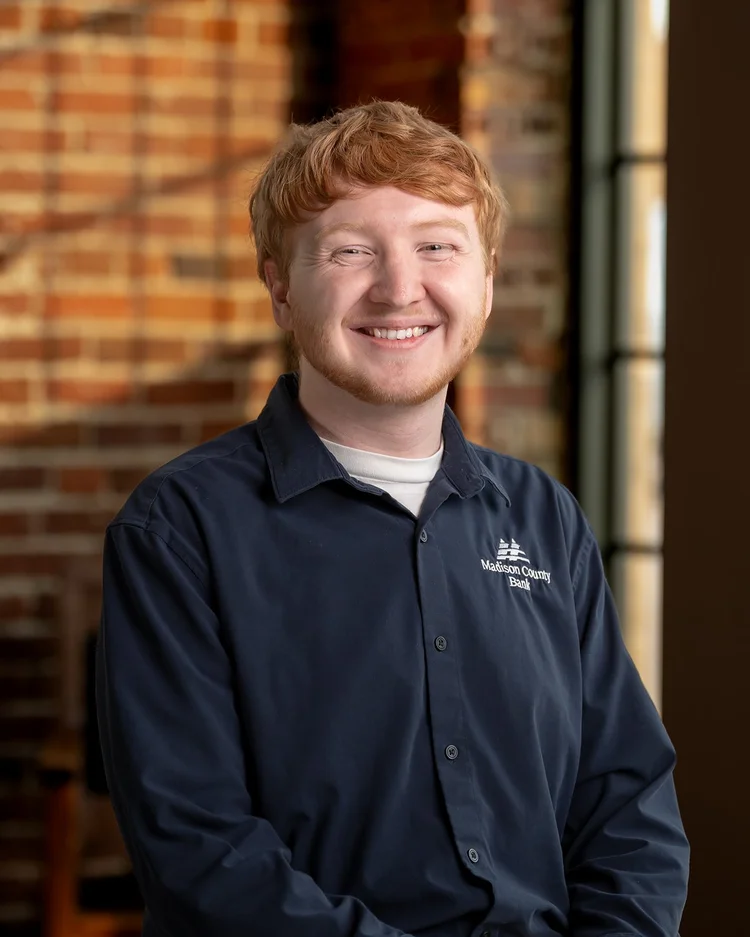
Explore individual and team headshots, or use the free commercial shoot planner to organize the larger project.
A few things worth asking before booking.
Do we need to write a script?
Not to start the conversation. Tell us the goal, audience and where you plan to use the work. We can discuss whether the project needs interviews, a script, visual coverage or a combination.
How much will a commercial video cost?
That depends on the filming days, crew, interviews, locations, finished versions and editing involved. Share a budget range and your priorities so we can discuss a scope that makes sense. Travel and additional requests should be confirmed in the proposal.
Can one video work everywhere?
Sometimes the same film can be shared in several places, but a shorter, vertical, captioned or screen-friendly version may be more useful elsewhere. Confirm which versions are included before filming.
What should we have ready for the first call?
Your reason for reaching out, intended audience, likely uses, deadline and budget range. Examples you like can help explain the direction, but you do not need to solve the whole project first.